Why a Bilingual Premises Liability Attorney Matters After an Arizona Property Injury

Being injured on someone else’s property can leave you with more than physical pain. You may be facing medical bills, missed work, insurance calls, and uncertainty about who is responsible. When English is not your preferred language, explaining the accident and understanding the legal process can become even more difficult.
Perez Law Group, PLLC represents injury victims throughout Arizona and provides legal assistance in both English and Spanish. Founding attorney Cristina Perez Hesano speaks English and Spanish, and personal injury attorney David Salgado is also fluent in both languages. Clients can discuss their injuries, medical treatment, financial losses, and concerns directly with a bilingual attorney rather than relying on a friend or family member to translate sensitive information.
What Is a Premises Liability Claim?
Premises liability is an area of personal injury law involving injuries caused by dangerous or inadequately maintained property conditions.
These cases can arise at grocery stores, restaurants, apartment complexes, hotels, shopping centers, parking garages, entertainment venues, office buildings, private residences, public buildings, and construction sites.
Common premises liability hazards include:
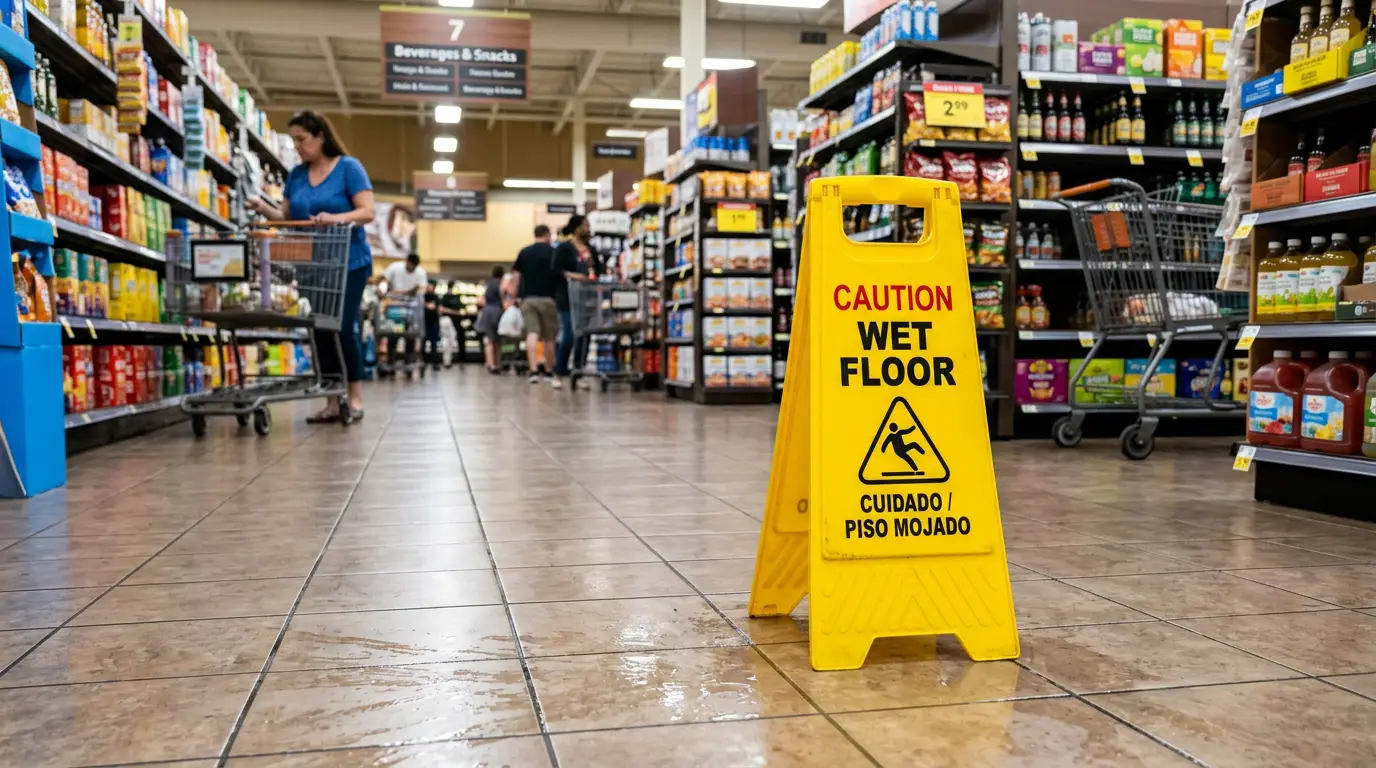
- Wet or slippery floors
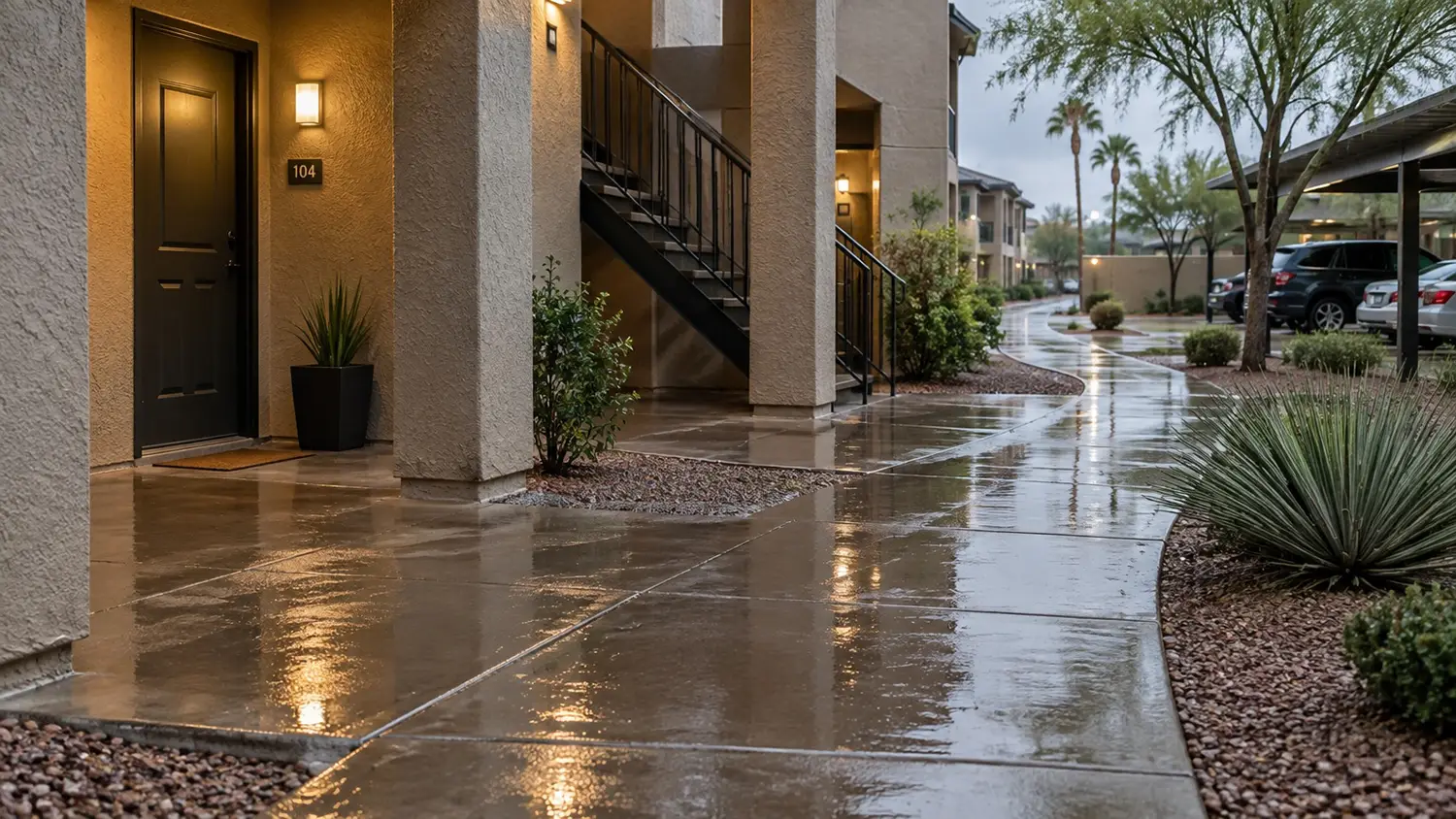
- Broken sidewalks or uneven pavement
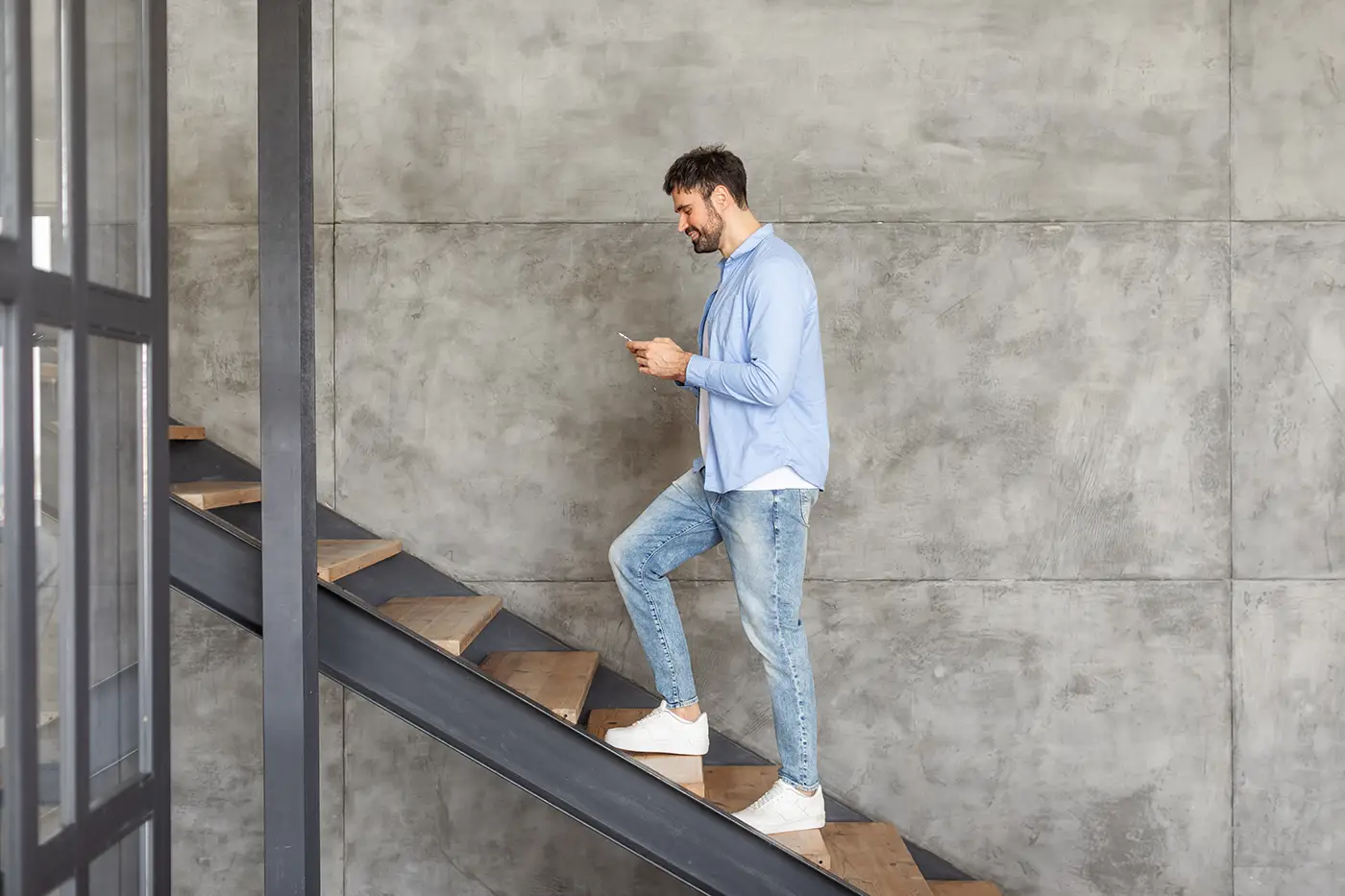
- Poorly maintained stairs
- Missing or unstable handrails
- Inadequate lighting
- Falling merchandise
- Unsecured equipment
- Exposed electrical hazards
- Dangerous swimming pools
- Inadequate security
- Defective doors, gates, or elevators
An accident occurring on another person’s property does not automatically establish liability. The injured person generally must show that an unsafe condition existed, that the responsible party knew or reasonably should have known about it, and that the condition caused the injury.
Perez Law Group explains these requirements further in its guide to working with a Glendale slip and fall lawyer.
Why Language Access Matters in a Premises Liability Case
Hiring a bilingual premises liability attorney is not simply a matter of convenience. Clear communication can affect the evidence, medical records, settlement negotiations, and ultimate value of a claim.
The First Description of the Accident Matters
After an accident, a store manager, landlord, property owner, or insurance adjuster may ask the injured person to explain what happened. The exact words used in an incident report or recorded statement may later be examined closely.
A person who is not completely comfortable communicating in English may accidentally leave out an important detail, agree with an inaccurate description, or use a word that does not fully explain the dangerous condition.
For example, there may be a meaningful difference between saying, “I did not see the water,” and explaining, “There was no warning sign, the lighting was poor, and the clear liquid blended into the floor.”
A bilingual attorney can help ensure that the client’s account is understood accurately and consistently.
Medical Documentation Must Reflect the Full Injury
Premises liability injuries are not always limited to a bruise or sprain. A fall may cause a traumatic brain injury, spinal damage, fractures, torn ligaments, nerve injuries, chronic pain, or a worsening of a previous medical condition.
Medical records frequently become central evidence in a personal injury case. If a patient cannot clearly explain every symptom, limitation, and change in daily life, the medical record may not fully reflect the seriousness of the injury.
A bilingual legal team can help a client understand why it is important to describe symptoms accurately, follow medical recommendations, and preserve treatment records.
Clients Must Understand Settlement Decisions
Insurance companies may present settlement offers before an injured person knows the full cost of future treatment. Accepting a settlement generally ends the claim, even if additional medical problems later appear.
Every client should understand what a proposed settlement covers, what rights would be released, and whether future expenses have been considered. Discussing those issues directly with a bilingual attorney can help the client make an informed decision without depending on informal translation from a relative.
Who May Be Responsible for an Unsafe Property?
The property owner is not always the only potentially responsible party. Liability often depends on who possessed, operated, maintained, repaired, or controlled the area where the injury occurred.
Depending on the circumstances, responsible parties may include:
- A commercial property owner
- A business leasing the property
- A residential landlord
- A property management company
- A maintenance company
- A janitorial contractor
- A security provider
- A construction contractor
- A homeowner
- A government entity
A grocery store, for example, may occupy a building owned by another company while using an outside contractor for cleaning and maintenance. An apartment complex may be owned by an investment company but operated by a separate property manager.
Identifying every responsible party is important because each party may have different duties, insurance policies, records, and defenses.
Actual Knowledge and Constructive Knowledge
A central issue in many premises liability cases is whether the property owner or business knew about the dangerous condition.
Actual knowledge means the responsible party was directly aware of the hazard. This could be shown through an employee report, customer complaint, maintenance request, email, surveillance footage, or prior incident.
Constructive knowledge means the party may deny knowing about the hazard, but the condition existed long enough or happened often enough that reasonable inspections should have discovered it.
Perez Law Group’s article on proving constructive knowledge of a hazard explains how inspection records, video footage, witness testimony, recurring hazards, and the physical appearance of the condition may help establish notice.
This distinction matters because businesses often defend premises liability claims by saying no employee reported the problem before the accident. That defense may not end the case. The question may be whether a reasonable business would have discovered the condition through proper inspections.
Evidence That Can Disappear After a Property Injury
Premises liability cases are especially time-sensitive because the dangerous condition may be removed within minutes.
A spill can be cleaned. A broken tile can be replaced. Merchandise can be restacked. A security camera recording can be overwritten. Employees can change jobs, and witnesses can become difficult to locate.
After an accident, an injured person should report the incident, photograph the area, identify witnesses, seek medical attention, and preserve any clothing or footwear involved. It is also important to document the surrounding conditions, including lighting, warning signs, obstructions, weather, and the location of security cameras.
When possible, photographs should show both close-up details and wider views of the accident scene. A close photograph may show the liquid or defect, while a wider photograph can establish that there were no visible warning signs nearby.
The firm’s guide on how to prove a store was negligent after a slip and fall provides additional information about building a claim against a commercial property owner.
What Not to Do After a Premises Liability Accident
Avoid assuming that the accident was automatically your fault. Many people apologize out of embarrassment after falling, even when a dangerous condition caused the incident. An apology may later be presented out of context.
Do not sign documents you do not fully understand. This includes incident reports, medical authorizations, settlement agreements, and insurance releases.
Do not give a recorded insurance statement without understanding who is requesting it and how it may be used.
Do not post detailed information about the accident, injuries, medical care, or physical activities on social media. Insurers may review public posts and attempt to use them to question the severity of an injury.
Most importantly, do not delay medical care because the injury initially seems manageable. Symptoms involving the head, neck, back, or internal organs may not be immediately obvious.
Can You Recover Compensation If You Were Partially at Fault?
Arizona follows a comparative negligence system. This means an injured person may still recover damages even if they are found partially responsible, but the recovery may be reduced according to their percentage of fault.
For example, if damages were valued at $100,000 and the injured person was found 20 percent responsible, the potential award could be reduced to $80,000.
Insurance companies may argue that the victim was looking at a phone, wearing inappropriate footwear, ignoring a warning sign, or failing to watch where they were walking. These allegations should be examined carefully. They do not automatically eliminate the property owner’s responsibility.
Arizona’s comparative negligence rule is established in Arizona Revised Statutes Section 12-2505.
Premises Liability Is Broader Than Slip-and-Fall Accidents
Although falls are common, premises liability can involve other serious events.
Negligent security claims may arise when inadequate lighting, broken locks, missing security measures, or ignored criminal activity contributes to an assault. Perez Law Group discusses business safety obligations in its article about restaurant responsibility for protecting patrons.
Swimming pool accidents may involve missing barriers, defective gates, inadequate supervision, or unsafe maintenance.
Falling-object claims may occur when merchandise, signs, equipment, or construction materials are stored improperly.
Animal attacks can also occur on private or commercial property, although Arizona dog bite claims are governed by specific laws that differ from ordinary negligence claims.
What Compensation May Be Available?
The value of a premises liability claim depends on the severity of the injury and how it affects the person’s health, employment, independence, and future.
Recoverable damages may include emergency treatment, hospitalization, surgery, medication, rehabilitation, physical therapy, future medical care, lost income, reduced earning capacity, pain, emotional distress, disability, and loss of enjoyment of life.
A serious injury claim should consider more than the bills that have already arrived. It may also require medical opinions about future treatment, vocational evidence concerning the ability to work, and testimony about how the injury changed the client’s daily life.
Real Experience in Facility Negligence Cases
Property injury claims can become highly complex when they involve large businesses, commercial insurers, medical facilities, management companies, or multiple responsible parties.
Perez Law Group’s published case results include a $7 million recovery identified as a facility negligence matter. The publicly available result does not disclose the private facts of that case, and prior results do not guarantee a similar outcome in another matter. However, it demonstrates the serious harm that can arise when a facility fails to meet its responsibilities and the level of investigation these cases may require.
How Long Do You Have to File a Premises Liability Claim in Arizona?
Arizona generally provides two years to bring a lawsuit for personal injuries under Arizona Revised Statutes Section 12-542. Certain circumstances may change when the deadline begins or expires.
Claims involving a city, county, public school, public employee, or other government entity can have much shorter requirements. Arizona law generally requires a formal notice of claim within 180 days under Arizona Revised Statutes Section 12-821.01.
Waiting until the filing deadline approaches can also make a case harder to prove. Surveillance footage may already be deleted, witnesses may disappear, and property conditions may change. An attorney should be contacted as soon as reasonably possible so that evidence-preservation requests can be sent.
Speak With a Bilingual Arizona Premises Liability Attorney
A language barrier should never prevent an injured person from understanding their rights or presenting their case accurately.
Perez Law Group, PLLC provides experienced personal injury representation to English-speaking and Spanish-speaking clients throughout Glendale, Phoenix, and communities across Arizona. Our attorneys can investigate the property condition, identify responsible parties, preserve evidence, review insurance coverage, document damages, and pursue appropriate compensation.
Call Perez Law Group at (602) 730-7100 or contact our office online to schedule a consultation.
Hablamos Español. Spanish-speaking clients may also visit our Spanish contact page.

Cristina Perez Hesano
Founder & Managing Partner
Cristina Perez Hesano is the founding partner of Perez Law Group, PLLC, and an accomplished Arizona trial attorney with more than a decade of experience. She represents individuals and families in serious personal injury, wrongful death, bankruptcy, and consumer protection matters. Known for her compassion, strategic approach, and dedication to justice, Cristina has successfully secured significant results while helping clients navigate some of life’s most difficult challenges.