
Back and Spine Injury Lawyer in Glendale, AZ
Serious Back Pain Deserves Serious Legal Representation
A back or spine injury can affect nearly every part of your life. Pain may make it difficult to work, sleep, drive, care for your family, or complete everyday activities. More serious spinal injuries can cause lasting weakness, limited mobility, nerve damage, or paralysis.
When another person’s careless actions cause your injury, you should not have to face the physical and financial consequences alone.
A Glendale back and spine injury lawyer at Perez Law Group, PLLC can investigate what happened, document the full impact of your injuries, and pursue compensation from the responsible parties. We help injured people throughout Glendale, the West Valley, and communities across Arizona.
Glendale Back and Spine Injury Attorneys Who Understand What Is at Stake
Back and spine injury claims can be complicated. An insurance company may argue that your pain is temporary, unrelated to the accident, or caused by a condition you had before the incident. It may also pressure you to accept a settlement before doctors understand whether you will need injections, physical therapy, surgery, rehabilitation, or long-term care.
Perez Law Group works to build a claim that reflects the full effect of your injury—not just the medical bills you have received so far.
Our legal team can:
- Investigate how the accident occurred
- Identify every person or company that may be responsible
- Gather medical records, imaging results, accident reports, and witness statements
- Communicate with insurance adjusters on your behalf
- Document your lost income and reduced ability to work
- Evaluate possible future medical and rehabilitation needs
- Challenge attempts to blame you or minimize your condition
- Negotiate for an appropriate settlement
- Prepare your case for litigation when necessary
Our objective is to protect your rights while giving you the time and space you need to focus on your health.

Our Record Speaks For Itself
Whether defending personal injury victims or individuals facing hardship, Perez Law Group is empowered by the law to deliver the highest level of client service and diligent casework, achieving the results you deserve when you need them most.
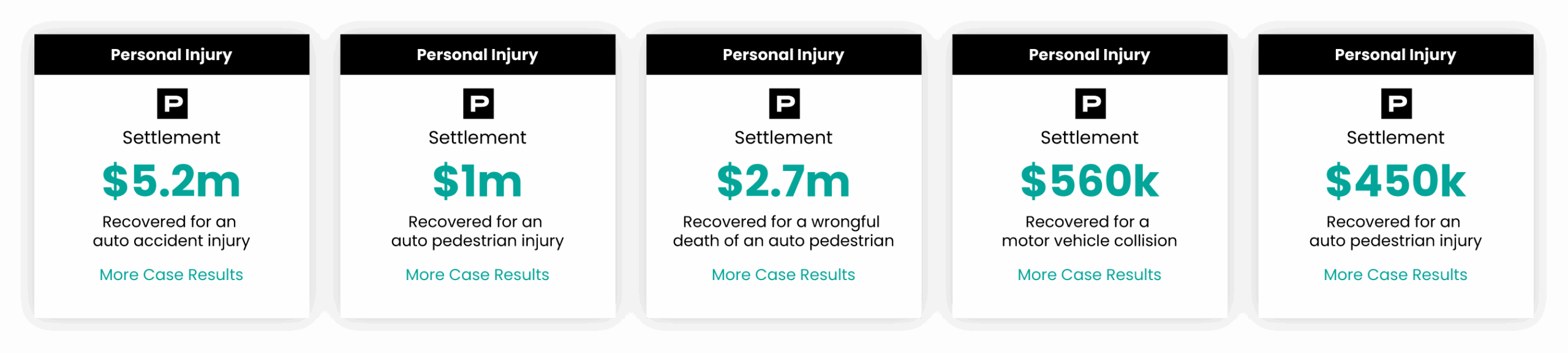
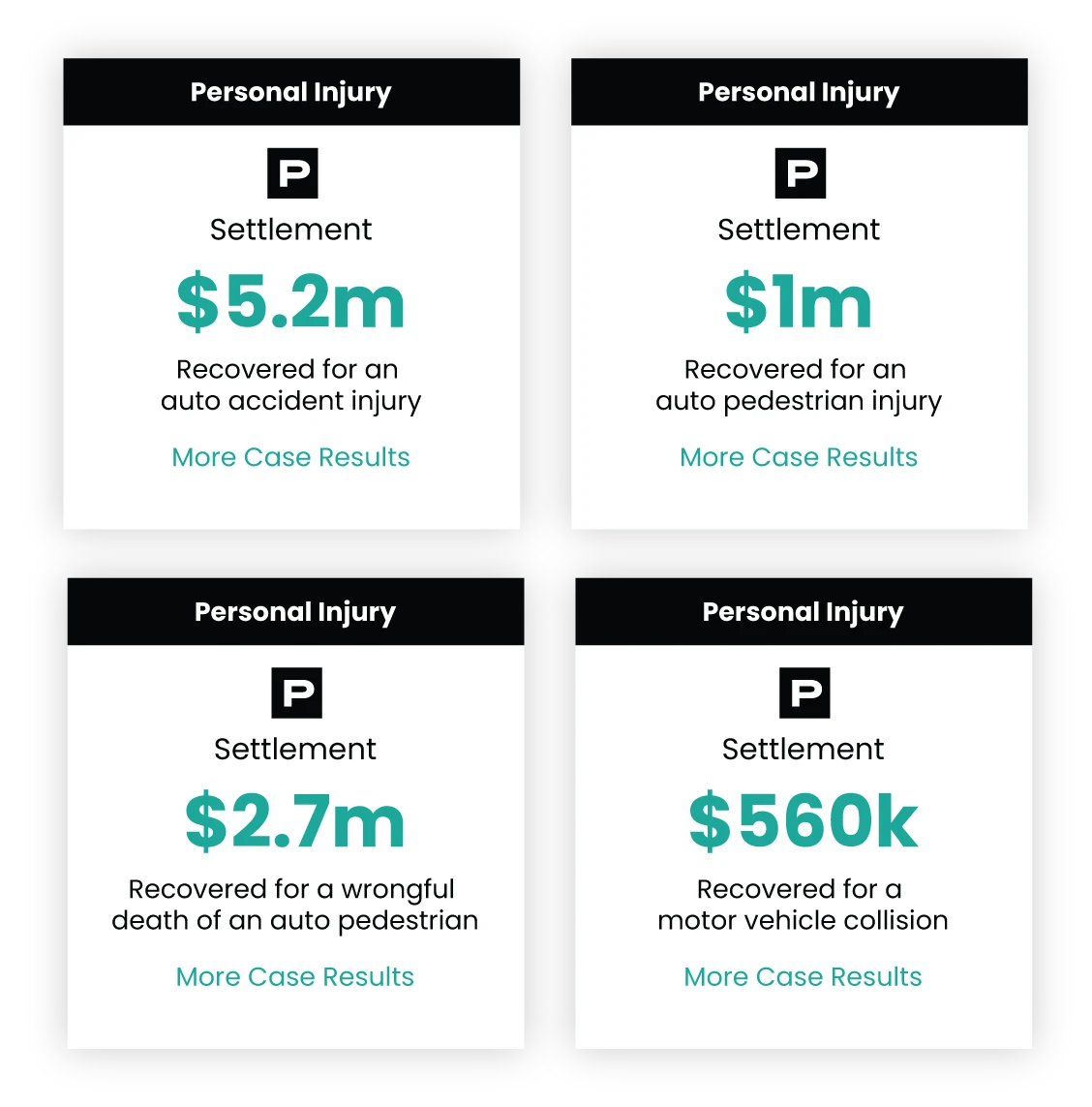
These results are specific to the facts and legal circumstances of each client’s case. Results in other cases will differ.
Amounts shown are gross before deduction of fees, costs, and expenses. Past results are not a guarantee of future outcomes.
What Is Considered a Back or Spine Injury?
The spine is a complex structure made up of vertebrae, discs, joints, ligaments, muscles, nerves, and the spinal cord. An accident can damage one or several of these structures.
Some injuries cause immediate and severe pain. Others may produce symptoms that become noticeable hours or days later as inflammation, muscle spasms, and pressure on the nerves increase.
Common back and spine injuries include:
Herniated Discs
A herniated disc occurs when material inside a spinal disc pushes through its outer layer. The displaced material may irritate or compress nearby nerves, leading to pain, numbness, tingling, or weakness.
Bulging Discs
A bulging disc extends beyond its normal position but may not fully rupture. Even a relatively small bulge can cause significant symptoms when it presses against a nerve.
Cervical Spine Injuries
The cervical spine is located in the neck. A collision can injure the discs, nerves, muscles, and vertebrae in this area, sometimes causing pain that spreads into the shoulders, arms, or hands.
Thoracic Spine Injuries
The thoracic spine runs through the upper and middle back. Although this area is supported by the rib cage, traumatic impacts can still cause fractures, disc injuries, and nerve damage.
Lumbar Spine Injuries
The lumbar spine is the lower back. Injuries in this area can cause persistent lower-back pain, muscle spasms, leg weakness, and radiating pain such as sciatica.
Vertebral Fractures
A forceful impact can crack or compress one or more vertebrae. Spinal fractures may require bracing, surgery, or an extended period of restricted activity.
Nerve Damage
Damage or compression involving spinal nerves may cause burning pain, numbness, tingling, weakness, or reduced movement in another part of the body.
Spinal Cord Injuries
A spinal cord injury can interfere with communication between the brain and the rest of the body. Depending on the location and severity of the injury, a person may experience loss of sensation, limited movement, paraplegia, quadriplegia, breathing difficulties, or changes in bladder and bowel control.
Soft-Tissue Back Injuries
Strains and sprains involving the muscles, tendons, and ligaments can still cause substantial pain and limited mobility. An injury does not have to require surgery to disrupt your work and daily life.

Symptoms You Should Not Ignore After an Accident
Back and spine injuries do not always produce obvious external signs. Seek medical attention after an accident, especially if you experience:
- Neck, middle-back, or lower-back pain
- Pain that increases with movement
- Numbness or tingling
- Pain that travels into an arm or leg
- Weakness in the hands, arms, feet, or legs
- Muscle spasms
- Difficulty standing or walking
- Loss of balance or coordination
- Reduced range of motion
- Headaches associated with neck pain
- Loss of bladder or bowel control
- Difficulty breathing
- Partial or complete loss of movement
Symptoms such as weakness, difficulty walking, changes in sensation, loss of bladder or bowel control, or breathing problems may indicate a serious neurological injury and require immediate medical attention.
Do not assume that pain will disappear on its own. Prompt medical care protects your health and creates documentation connecting your symptoms to the accident.
Common Causes of Back and Spine Injuries in Glendale
A back injury can occur whenever the body is twisted, compressed, thrown forward, or subjected to a sudden impact.
Perez Law Group represents people injured in incidents such as:
Car Accidents
Rear-end, side-impact, rollover, and head-on collisions can place tremendous force on the neck and spine. Even a crash that causes limited vehicle damage may produce a painful disc, nerve, or soft-tissue injury.
Learn more about working with a Glendale car accident attorney.
Truck Accidents
Commercial trucks can cause catastrophic injuries because of their size and weight. Trucking companies, drivers, contractors, maintenance providers, or cargo companies may share responsibility for a collision.
Motorcycle Accidents
Motorcyclists have little protection from an impact. They may suffer spinal fractures, disc injuries, nerve damage, or spinal cord trauma after being thrown from a motorcycle or struck by another vehicle.
Pedestrian and Bicycle Accidents
A person hit by a vehicle may be thrown onto the pavement, onto the hood of a car, or into another object. These impacts frequently involve several areas of the body.
Learn how a Glendale pedestrian injury lawyer may assist after a pedestrian collision.
Slip-and-Fall Accidents
A sudden fall can twist or compress the spine. Falls from stairs, elevated surfaces, and uneven walkways may cause disc injuries, fractured vertebrae, or damage to the spinal cord.
Learn more about slip-and-fall claims in Glendale.
Workplace and Construction Accidents
Falls from ladders, defective equipment, falling objects, and vehicle accidents can cause serious spinal injuries. Depending on the circumstances, an injured worker may have a claim against a negligent third party in addition to any available workplace benefits.
Defective Products
A defective vehicle component, seat, safety system, ladder, tool, or piece of machinery may contribute to a back or spine injury.
Violent or High-Impact Incidents
Assaults, unsafe security conditions, and other traumatic incidents may also result in severe spinal damage.
What Compensation May Be Available?
Every case is different. The value of a back or spine injury claim depends on factors such as the severity of the injury, available insurance coverage, the need for future treatment, how the injury affects your work, and whether you are expected to fully recover.
Compensation may include:
What If I Had Back Problems Before the Accident?
A prior back condition does not automatically prevent you from pursuing compensation.
Many people have arthritis, degenerative disc changes, previous injuries, or occasional back pain before an accident. A collision or fall may aggravate that condition and cause symptoms that are substantially worse than they were before.
Insurance companies frequently use pre-existing conditions as a reason to deny or reduce a claim. The insurer may review years of medical records and argue that your current limitations would have existed regardless of the accident.
Our attorneys can examine:
- Your health and activity level before the incident
- The frequency and severity of earlier symptoms
- New diagnoses made after the accident
- Changes shown on medical imaging
- New treatment recommendations
- Changes in your ability to work and complete daily activities
- Medical opinions concerning aggravation of the prior condition
You deserve to have the accident’s actual effect on your health evaluated fairly.
What If the Insurance Company Says My Injury Is Minor?
Insurers sometimes minimize back injuries because they are not always visible. An adjuster may point to limited vehicle damage, an initial emergency room record, or a delay in symptoms to argue that you could not have been seriously injured.
However, the appearance of a vehicle does not determine the condition of the person inside it. Likewise, a person may initially experience shock or adrenaline and only recognize the severity of the pain later.
Strong documentation may include:
- Emergency and follow-up medical records
- X-rays, CT scans, and MRI results
- Specialist evaluations
- Physical therapy notes
- Prescription and treatment histories
- Statements from employers, relatives, or caregivers
- Photographs and accident-scene evidence
- A personal record describing pain and daily limitations
Avoid giving the insurance company a recorded statement or signing a broad medical authorization before you understand your rights.
What to Do After a Back or Spine Injury
he steps you take after an accident can affect both your recovery and your legal claim.
Get Medical Care
Call 911 when there may be a spinal cord injury or when you experience weakness, numbness, loss of movement, severe pain, difficulty walking, or bladder or bowel changes.
Even when symptoms seem manageable, obtain a medical evaluation and follow the treatment plan recommended by your healthcare providers.
Report the Incident
Report a collision to law enforcement. Report a fall or other property-related accident to the owner, manager, employer, or appropriate authority.
Preserve Evidence
Keep photographs, videos, witness information, damaged property, medical paperwork, receipts, and correspondence from insurance companies.
Do Not Minimize Your Symptoms
Be accurate and complete when speaking with healthcare providers. Describe where you feel pain, when it began, how it changes, and which activities have become difficult.
Be Careful on Social Media
Insurance companies may review public posts and photographs. A post that lacks context may be used to challenge your reported limitations.
Speak With a Lawyer Before Accepting a Settlement
Once you sign a settlement and release, you generally cannot seek additional payment if your condition worsens or you later require more treatment.
How Long Do I Have to File a Back Injury Lawsuit in Arizona?
Arizona generally provides a two-year limitations period for many personal injury lawsuits. However, the deadline can be much shorter in cases involving a government agency, public employee, public vehicle, public school, or dangerous public property.
Claims involving an Arizona public entity may require a formal notice of claim within 180 days, and lawsuits against public entities or employees are generally subject to a one-year deadline.
Other exceptions may also change the amount of time available. Because missing an applicable deadline can prevent you from recovering compensation, speak with an attorney as soon as reasonably possible.
Frequently Asked Questions About Back and Spine Injury Claims
It is generally best to seek legal guidance before important evidence disappears, witnesses become difficult to locate, or an insurance company obtains statements that may later be used against you.
An injured passenger may have a claim against one or more responsible drivers or other parties. Passengers are generally not responsible for how the involved vehicles were operated.
Many personal injury claims resolve through negotiation, but settlement is not guaranteed. Whether litigation becomes necessary depends on liability disputes, the severity of the injuries, available coverage, and whether the insurer makes an appropriate offer.
Partial responsibility does not necessarily eliminate an Arizona injury claim. Any compensation may be reduced according to the percentage of fault assigned to you.
You may need to notify insurers about the collision, but you are not required to accept an adjuster’s interpretation of what happened. Be cautious about recorded statements, broad medical releases, and early settlement offers.
Not every injury requires an MRI, and an imaging test does not determine the value of a claim by itself. Your doctors will decide which diagnostic tests are medically appropriate. Symptoms, physical examinations, treatment records, work restrictions, and the overall effect on your life may also be relevant.
Delayed symptoms are possible. Seek medical attention promptly and explain when the symptoms began. Waiting weeks to obtain care may make it easier for an insurer to dispute the connection between the accident and your condition.
You may have a claim when another party’s negligence caused a disc injury or materially aggravated an existing condition. Medical imaging, physician opinions, prior medical history, and evidence of your post-accident limitations may all be important.
There is no standard settlement amount. The value depends on the medical diagnosis, treatment required, recovery time, lost income, future limitations, available insurance coverage, and strength of the liability evidence.
A claim involving temporary muscle pain will be evaluated differently from one involving surgery, nerve damage, permanent restrictions, or paralysis.
Speak With a Glendale Back and Spine Injury Lawyer
A serious back injury can affect your health, independence, career, finances, and family life. Perez Law Group, PLLC is prepared to listen to your story, explain your legal options, and help you determine the next step.
Our Glendale personal injury attorneys serve clients throughout the West Valley and across Arizona.
Call (602) 730-7100 for a free consultation. Hablamos Español.