
Glendale Product Liability Attorney
A product you use every day should not unexpectedly put you or your family in danger. Yet defective vehicles, batteries, appliances, tools, children’s products, medical devices, and other consumer goods can cause devastating injuries when something goes wrong.
If you were injured because a product was defectively designed, improperly manufactured, or sold without adequate warnings or instructions, you may have the right to pursue compensation from one or more companies responsible for putting that product into the marketplace.
Perez Law Group, PLLC represents injured people throughout Glendale, the West Valley, greater Phoenix, and communities across Arizona. Our legal team can investigate how a product failed, identify potentially responsible companies, preserve important evidence, evaluate your losses, and determine the legal options available under Arizona law.
Call (602) 730-7100 or contact Perez Law Group to request a free consultation with a Glendale product liability attorney.
No attorney fees unless we win.

When a Product You Trusted Causes a Serious Injury
Most people have little reason to think about product safety when they plug in a charger, buckle a child into a car seat, use a power tool, drive their vehicle, turn on an appliance, or take a product they purchased for their home.
That changes quickly when the product catches fire, breaks, explodes, collapses, releases a dangerous substance, malfunctions, or fails to provide the protection it was supposed to provide.
The injury itself may be only the beginning. Victims can face emergency treatment, surgery, rehabilitation, lost income, permanent limitations, and uncertainty about whether they will ever fully recover.
Product cases can also be difficult to investigate. The company involved may have engineers, attorneys, insurers, testing records, manufacturing documents, and technical information that are not immediately available to the injured consumer.
A Glendale personal injury lawyer can investigate beyond the immediate accident to determine whether the product itself contributed to what happened.
Do You Have a Product Liability Case?
Not every accident involving a product means the product was defective. A successful claim generally requires evidence connecting a dangerous condition or failure involving the product to the person’s injury or other legally recoverable loss.
Arizona law broadly defines a product liability action as a claim against a manufacturer or seller involving bodily injury, death, or property damage resulting from matters such as a product’s manufacture, construction, design, installation, preparation, assembly, testing, packaging, labeling, sale, use, or consumption. The law also addresses failures to provide adequate warnings, protections, or instructions.
Potential claims can arise when a product:
- Contains a dangerous design
- Was manufactured incorrectly
- Breaks or fails during reasonably expected use
- Lacks adequate safety features
- Contains insufficient warnings or instructions
- Uses a defective component
- Causes an unexpected fire, electrical event, or explosion
- Fails to provide a safety function it was designed to perform
The exact legal theory depends on the product, how it was used, what caused it to fail, and what evidence can be preserved.
If you are unsure whether your situation involves product liability, negligence, premises liability, or another type of claim, our Glendale negligence attorneys can help examine how the injury occurred and who may be responsible.
Three Common Types of Product Defects
Product liability cases often involve one or more of three general problems: a defective design, a manufacturing defect, or inadequate warnings and instructions.
Design Defects
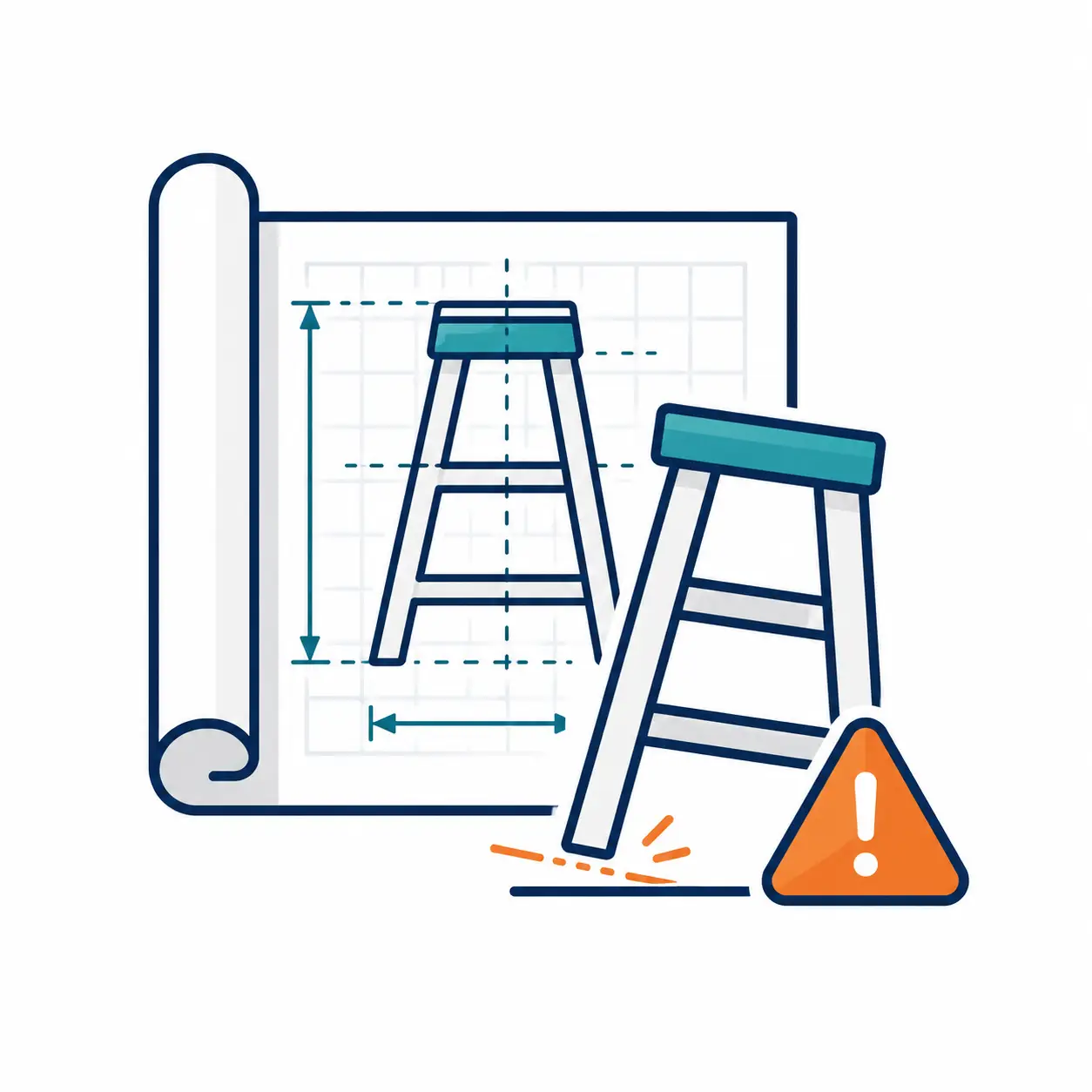
Sometimes the problem begins before a product ever reaches the factory floor. The product may function exactly as its manufacturer intended but still create an unreasonable danger because of the way it was designed.
A claim involving defective design may require engineers or other qualified experts to analyze how the product operates, what risks were foreseeable, what safety systems were included, and whether another design could have reduced those risks.
Examples might involve vehicle safety systems, power tools without adequate guards, unstable furniture, dangerous battery systems, or equipment that creates a foreseeable crushing, cutting, fire, or rollover hazard.

Manufacturing Defects
A product can have a reasonably safe design but become dangerous because something went wrong while it was being manufactured or assembled.
The wrong material may have been used. A component may have been improperly installed. A weld may fail. A fastener may be missing. A battery cell may be damaged. A medication or other product may become contaminated.
These cases often require comparing the failed product with its design specifications, manufacturing standards, testing records, and other products from the same production run.
Inadequate Warnings or Instructions
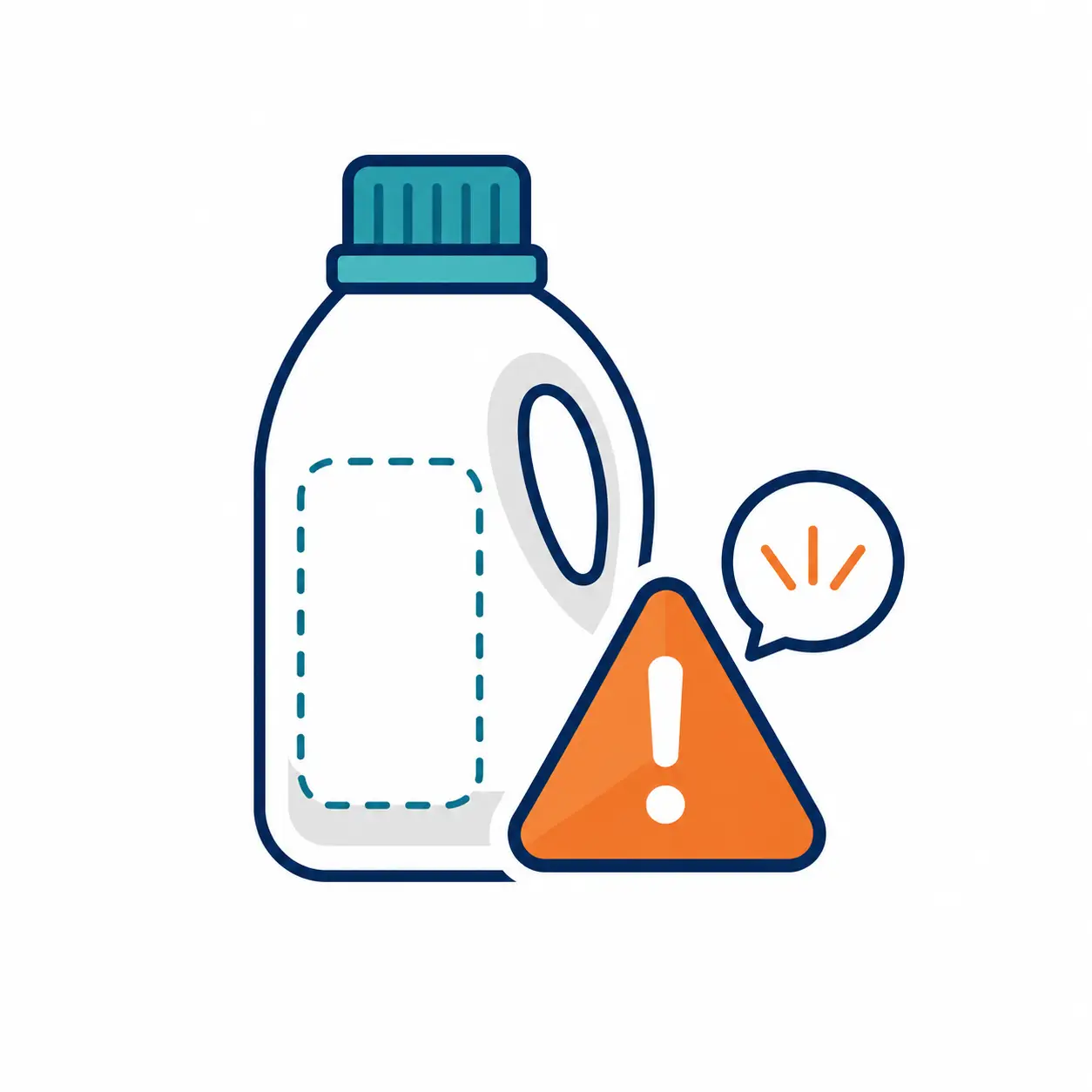
Some products involve hazards that cannot be completely eliminated through design. Manufacturers may need to provide appropriate warnings and instructions so consumers can understand those risks and use the product safely.
A failure-to-warn case may arise when an important danger was known or reasonably foreseeable but the consumer was not adequately informed about it.
The placement, wording, visibility, and accuracy of instructions or safety warnings may all become important evidence.
Consumer Products That Can Cause Serious Injuries
Nearly any product can become dangerous when it contains the wrong defect. Some cases, however, involve products capable of producing particularly serious injuries.

Vehicles and Vehicle Components
Defective tires, brakes, steering components, airbags, seat belts, seats, fuel systems, electronic systems, and other vehicle parts can contribute to a crash or make injuries worse during one.
A collision can therefore involve more than driver negligence. In some cases, investigators must determine whether a vehicle or component failed before, during, or because of the crash.
Learn more about how our Glendale car accident attorneys investigate serious vehicle collisions.

Batteries, Chargers, and Electronics
Lithium-ion batteries are now found in phones, laptops, e-bikes, scooters, power tools, portable chargers, toys, and countless household products.
When a battery, charger, or electrical system overheats or enters thermal runaway, the resulting fire can develop rapidly and cause severe burns or property damage.
Our Glendale burn injury attorneys provide additional information about injuries caused by fires and dangerous products.

Household Appliances and Consumer Goods
Kitchen appliances, space heaters, furniture, ladders, exercise equipment, grills, propane products, cleaning products, and other household goods can cause injuries when they collapse, ignite, malfunction, leak, or fail unexpectedly.
Children's Products
Car seats, cribs, strollers, highchairs, toys, furniture, clothing, and other children’s products may present choking, strangulation, suffocation, burn, fall, or impact hazards when they are dangerously designed or manufactured.
Cases involving children deserve particularly careful investigation because a product marketed for a young child may involve foreseeable behavior that differs significantly from adult use.
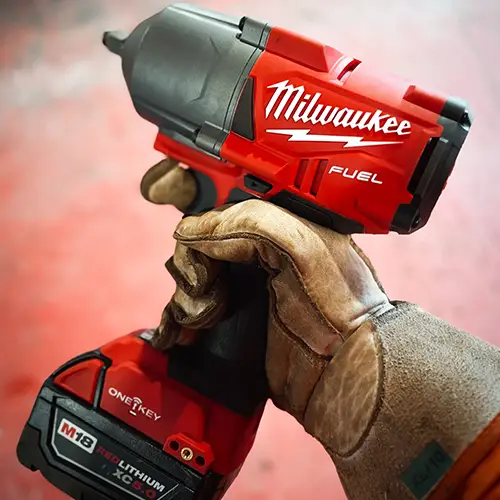
Tools and Equipment
Power tools, ladders, industrial equipment, construction products, safety equipment, and machinery can produce catastrophic injuries when guards fail, components break, electrical systems malfunction, or safety mechanisms do not operate as intended.
An injury at work may sometimes involve both workers’ compensation issues and a separate claim against an outside manufacturer, contractor, or other third party.
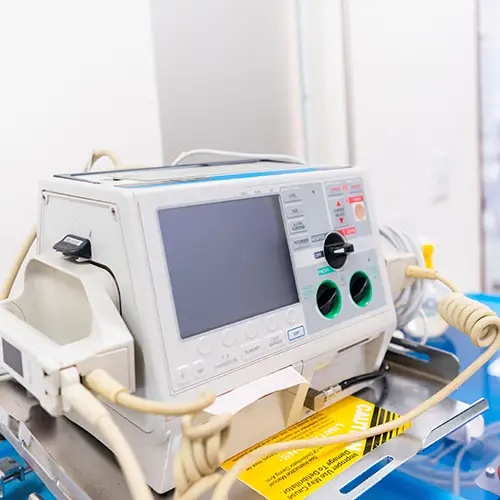
Medical Devices and Medications
Some product cases involve medical devices, implants, medications, or other FDA-regulated products.
These cases can involve complicated questions about product design, manufacturing, warnings, regulatory history, medical causation, and the reason the product was prescribed or used. They are also different from claims based on the conduct of a doctor or other healthcare provider.
The U.S. Food and Drug Administration publishes safety information and medical device recalls for consumers.
The Product Itself May Be Critical Evidence
If you believe a defective product caused your injury, do not throw it away, repair it, alter it, or automatically return it to the manufacturer or retailer.
The physical product may be one of the most valuable pieces of evidence in the entire case.
Preserve the product and, when available, its:
- Packaging
- Instructions and manuals
- Warning labels
- Receipt or order confirmation
- Model and serial numbers
- Batteries and chargers
- Accessories or attachments
- Broken or detached components
Take photographs showing the product and the area where the incident happened. If the product was purchased online, preserve your order information, product listing, emails, and any communications you receive from the seller or manufacturer.
A recall notice may tell you to return, destroy, repair, or dispose of a product. When someone has already been seriously injured, however, preserving potential evidence can raise different considerations. Speak with an attorney before giving up possession of an injury-causing product whenever possible.
Who May Be Responsible for a Defective Product?
One reason product liability cases can become complicated is that numerous businesses may have participated in designing, manufacturing, distributing, selling, installing, or servicing the product.
Depending on what happened, an investigation may examine the conduct and potential responsibility of:
The manufacturer. The company that designed or manufactured the finished product is often central to the investigation.
Component manufacturers. A failed battery, tire, switch, fastener, electrical component, safety device, or other part may have been produced by a separate company.
Distributors and sellers. Arizona product liability law addresses claims involving both manufacturers and sellers, although responsibility can depend on the circumstances and legal theory involved.
Importers and other companies in the supply chain. Modern products may involve components and businesses located throughout the United States and other countries.
Installers, maintenance providers, and repair companies. A product may have been safe when manufactured but made dangerous because it was installed incorrectly, modified, poorly maintained, or improperly repaired.
Identifying the correct defendants can require tracing the product through purchase records, serial numbers, manufacturing information, corporate records, and distribution documents.
Does a Product Recall Prove Your Case?
A recall can be important evidence, but the existence or absence of a recall does not automatically determine whether you have a valid product liability claim.
A company or government agency may discover a safety problem after consumers have already been injured. Other defective products may never become the subject of a formal recall.
The U.S. Consumer Product Safety Commission’s recall database allows consumers to search current and past recalls and product safety warnings for many household and consumer products.
FDA-regulated products may appear in separate federal databases, including the FDA’s information about medical device recalls and early alerts.
An attorney investigating a product case may also look beyond recalls at consumer complaints, incident reports, internal company documents, testing records, prior claims, similar product failures, engineering analysis, and regulatory information.

Injuries Caused by Dangerous Products
A defective product can cause anything from a relatively minor injury to permanent disability or death.
Product-related cases may involve burns, fractures, traumatic brain injuries, spinal injuries, amputations, crushing injuries, electrocution, organ damage, poisoning, respiratory injuries, eye injuries, internal injuries, scarring, or disfigurement.
Some consequences are not immediately apparent. A person may require additional surgery, physical therapy, pain management, counseling, mobility equipment, home assistance, or long-term medical care.
When evaluating a serious injury claim, the goal should be to understand the full effect of the injury rather than simply totaling the bills that have already arrived.
Arizona Laws That May Affect a Product Liability Claim
Arizona has statutes specifically addressing product liability cases.
A.R.S. § 12-681 defines a product liability action broadly and includes claims involving defects associated with design, manufacturing, construction, installation, assembly, testing, packaging, labeling, warnings, instructions, sale, use, and consumption.
Deadlines are especially important. A.R.S. § 12-542 generally establishes a two-year limitations period for actions involving personal injury. Exactly when a claim accrues and whether another rule affects the deadline can depend on the facts, so someone injured by a product should not assume they have two full years to begin investigating the case.
Arizona’s comparative fault law can also become relevant. Under A.R.S. § 12-2505, damages may be reduced according to a claimant’s percentage of fault when comparative negligence applies.
A manufacturer or insurance company may argue that the product was misused, modified, improperly maintained, or used contrary to instructions. Those arguments make it important to preserve the product and document exactly how it was being used when the incident occurred.
What Should You Do After Being Injured by a Defective Product?
Your health comes first. Obtain appropriate medical treatment and make sure your healthcare providers understand how the injury occurred.
- 1
Keep the product. Do not discard, repair, disassemble, or return it without first obtaining legal advice.
- 2
Photograph everything. Document the product, damaged components, packaging, surrounding area, injuries, and property damage.
- 3
Save purchase information. Keep receipts, online orders, manuals, warranty materials, model numbers, and serial numbers.
- 4
Preserve communications. Save emails, texts, recall notices, customer-service messages, and communications with insurance companies or manufacturers.
- 5
Identify witnesses. Record the names and contact information of anyone who saw what happened or had experience with the product before the incident.
- 6
Be cautious about statements. A manufacturer’s insurer or representative may ask detailed questions about how you used, maintained, or modified the product.
- 7
Speak with an attorney promptly. Product evidence can disappear and important deadlines can expire while a person is still recovering.

How Our Glendale Product Liability Attorneys Can Help
Product liability cases frequently require more than proving that an injury occurred.
Perez Law Group can investigate the circumstances surrounding the incident and determine what evidence may be available to explain why the product failed.
Depending on the case, our legal team may:
- Preserve the product and related evidence before it disappears or is altered.
- Investigate the product’s design, manufacturing history, components, warnings, and instructions.
- Research safety recalls, regulatory actions, prior incidents, and similar failures.
- Identify manufacturers, distributors, sellers, installers, repair companies, and other potentially responsible parties.
- Review medical records and document how the injury has affected your health, employment, finances, and daily life.
- Work with qualified experts when engineering, medical, accident reconstruction, fire investigation, or other technical analysis is needed.
- Evaluate insurance coverage and available sources of compensation.
- Handle communications and negotiations with corporations and insurance companies.
- Prepare the claim for litigation when a fair resolution cannot be reached through negotiation.
Our goal is not simply to label a product “defective.” It is to determine what happened, why it happened, who may be legally responsible, and what the injury has cost the person who was harmed.
Why Choose Perez Law Group?
Perez Law Group has represented Arizona clients in serious personal injury, wrongful death, and complex liability matters.
Founding Partner Cristina Perez Hesano is an Arizona trial attorney who has represented individuals and families facing serious injuries and disputed liability.
Our approach is built around understanding not only how an incident happened but how it has changed the client’s life.
Clients receive a legal team that can investigate complicated facts, work through insurance and liability disputes, and prepare a case for litigation when necessary.
You can also review examples of the firm’s personal injury case results.
Results depend on the specific facts and legal circumstances of each case. Past results are not a guarantee of future outcomes.
Representing Product Injury Victims in Glendale and Across Arizona
Perez Law Group is located at 7508 N. 59th Avenue in Glendale, Arizona, in Glendale’s Catlin Court Historic District.
We represent clients throughout Glendale, Phoenix, Peoria, Surprise, Avondale, Goodyear, and other West Valley and Arizona communities.
Product liability cases occurring in Glendale may ultimately involve litigation in the Maricopa County court system, but the evidence itself can originate anywhere. A product purchased at a Glendale retailer may have been designed in one state, manufactured overseas, assembled somewhere else, distributed by another company, and sold through a national retailer or online marketplace.
That makes these cases very different from many ordinary accident claims. Determining responsibility can require following the product’s history well beyond the location where the injury occurred.
What Happens After You Contact Us?
Free Consultation
We listen to what happened, learn about the product and your injuries, and identify the immediate legal and evidence-preservation issues.
Case Review
Our team evaluates available records, photographs, product information, medical treatment, deadlines, and potentially responsible parties.
Investigation
If the case is accepted, the legal team can begin preserving evidence, investigating the product, gathering records, and developing the liability and damages portions of the claim.
Claim or Litigation
We pursue the appropriate legal strategy based on the evidence and circumstances of the case. That may include negotiations with insurers and defendants or litigation when necessary.
Frequently Asked Questions About Product Liability Cases
Sometimes the defect is obvious, such as a ladder collapsing or an appliance catching fire. Other failures require technical investigation. Engineers, fire investigators, medical experts, accident reconstruction professionals, or other specialists may be needed to determine why a product failed. You do not need to know the precise defect before contacting an attorney. Preserving the product and documenting what happened are often the most important first steps.
Possibly. A recall is not a requirement for every product liability claim. Some dangerous products cause injuries before a recall is announced, while others may never be formally recalled. The question is whether evidence can establish that the product was defective or otherwise legally actionable and that the problem caused your injury.
Buying a product online does not automatically prevent a claim. Online sales can make identifying the businesses involved more complicated because the website, marketplace, seller, distributor, importer, and manufacturer may be different entities. Preserve your order confirmation, product listing, seller information, emails, packaging, and payment records.
Manufacturers and insurance companies may argue that an injury resulted from misuse, alteration, poor maintenance, or failure to follow instructions. Arizona comparative fault rules can make questions about conduct important. That does not mean the company’s version of events is correct. Evidence should be examined to determine what use was reasonably foreseeable, what warnings were provided, how the product actually failed, and whether a defect contributed to the injury.
If the product has caused an injury and may become evidence in a legal claim, speak with an attorney before surrendering or destroying it whenever possible. A normal recall instruction is designed to remove potentially dangerous products from consumers, but an injury claim may create an additional need to preserve the specific item involved in the incident.
Arizona generally applies a two-year limitations period to personal injury actions under A.R.S. § 12-542. Determining exactly when that period begins can depend on the circumstances of the case. Waiting can also create evidence problems even before a legal deadline arrives, so it is better to have the case evaluated promptly.
Perez Law Group offers free consultations for personal injury matters. When the firm accepts a qualifying personal injury case on a contingency-fee basis, there are no attorney fees unless we win. The fee arrangement and any case-related costs should be explained before representation begins.
There is no reliable formula that can determine the value of a claim without examining the evidence. Factors can include the severity of the injury, medical treatment, future care needs, lost earnings, permanent limitations, pain and suffering, available insurance or corporate resources, disputed fault, and the strength of the evidence establishing the product defect.
Speak With a Glendale Product Liability Attorney
When a dangerous product causes a serious injury, the evidence can become just as important as the medical records.
Do not throw away, repair, modify, or return the product without considering whether it may be needed to determine what went wrong.
Perez Law Group can review the circumstances of your injury, investigate potentially responsible manufacturers and businesses, explain the options available under Arizona law, and help you determine the appropriate next step.
Call (602) 730-7100 or request a free consultation with a Glendale product liability attorney.
Perez Law Group, PLLC
7508 N. 59th Avenue
Glendale, AZ 85301
(602) 730-7100
No attorney fees unless we win.