What If My Car Has Little Damage but I Am Seriously Injured?
- Why Little Vehicle Damage Does Not Automatically Mean a Minor Injury
- Why Insurance Companies Focus So Heavily on the Car
- Serious Injuries That May Exist Without Dramatic Car Damage
- What Evidence Can Strengthen a Low-Damage, Serious-Injury Claim?
- A Hypothetical Case Study
- Mistakes That Can Make the Insurance Company’s Argument Stronger
- How Arizona Law Applies
- Talk With an Arizona Car Accident Attorney Before Your Injury Is Minimized
Yes, you may still have a valid Arizona car accident claim even when your vehicle shows little visible damage.
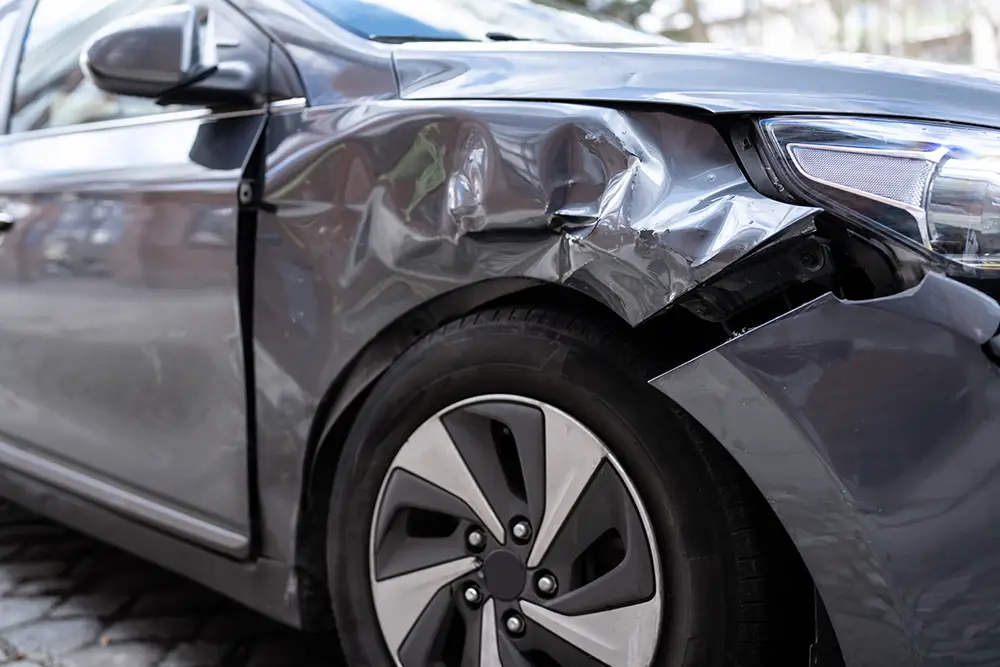
A scratched bumper, small dent, or modest repair estimate does not tell a doctor whether you suffered a concussion, herniated disc, nerve injury, or soft tissue damage. It also does not measure how the collision affected your work or daily life.
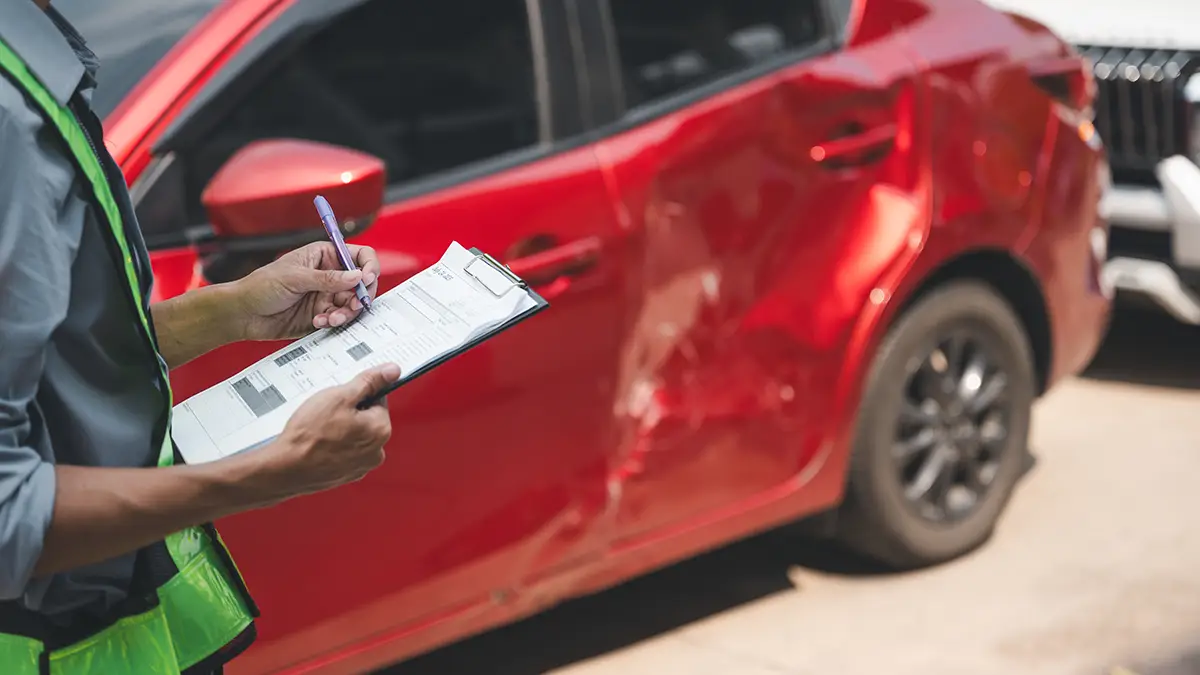
Insurance companies often point to vehicle photographs and argue that a person could not have been badly hurt in a crash that looks minor. That argument can make an injured person doubt what they are feeling. It can also create pressure to accept a low settlement before the full injury is understood.
At Perez Law Group, PLLC, our view is straightforward: property damage is evidence, not a medical diagnosis. A serious injury claim should be evaluated through the collision facts, medical findings, treatment, prior health, and the ways the injury changed the person’s life.
Why Little Vehicle Damage Does Not Automatically Mean a Minor Injury
Cars and human bodies respond differently to a collision. A bumper may flex, and damage may remain hidden behind its cover. Repair cost can also depend on the vehicle’s age, materials, sensors, labor rates, and repair choices.
Your body can move suddenly even when exterior damage looks limited. A seat belt may restrain your torso while your head moves in another direction. Seat position, direction of impact, age, prior conditions, and whether you were braced or surprised may affect the outcome.
Research on low-speed collisions is not perfectly uniform, which is exactly why insurers should not use a bumper photograph as a universal injury test. One published review found that injury can occur in rear impacts with little or no visible damage and reported no absolute amount of vehicle damage below which injury is impossible. Other research has questioned the likelihood of certain serious cervical injuries in very low-severity rear impacts. The practical lesson is that these claims are fact-specific and should be evaluated through qualified medical evidence rather than a slogan about “minor damage.”
For a deeper look at the medical issues that can follow a smaller collision, read our guide on back injuries after a car accident.
Why Insurance Companies Focus So Heavily on the Car
Vehicle damage is easy to photograph and place in a claim file. Pain, dizziness, numbness, headaches, memory problems, and reduced mobility are harder to capture in one image. An insurer may use the repair estimate as a shortcut and argue that treatment is excessive or unrelated.
That shortcut can be misleading. The real legal question is not whether the car looked badly damaged. It is whether the collision caused or aggravated a medically supported injury and whether that injury resulted in losses.
An adjuster may also look for inconsistencies. Saying you were “fine,” delaying care, missing appointments, or giving different crash descriptions can be combined with the low-damage argument. Early, accurate documentation matters.
Serious Injuries That May Exist Without Dramatic Car Damage
A person can have significant symptoms after a collision that leaves the vehicle drivable. Possible injuries must still be properly diagnosed and may include:
- Concussion or mild traumatic brain injury
- Herniated or aggravated spinal discs
- Whiplash and other neck injuries
- Nerve compression, numbness, tingling, or weakness
- Shoulder, knee, chest, or seat belt injuries
- Aggravation of arthritis or another preexisting condition
A concussion does not always require the head to strike the steering wheel or window. The Centers for Disease Control and Prevention explains that a hit to the body can cause the head and brain to move quickly back and forth. Symptoms can also appear later. Learn more in our article, Can You Have a Concussion Without Hitting Your Head?
Back and disc injuries can also produce pain, numbness, burning sensations, or weakness that becomes more noticeable after the adrenaline of the crash wears off. Our guide on delayed car accident symptoms explains why feeling relatively normal at the scene does not always mean you are uninjured.
What Evidence Can Strengthen a Low-Damage, Serious-Injury Claim?
Strong claims are built around consistency and objective support. The goal is to document what happened and connect it to the medical condition.
- Prompt medical evaluation: Explain when each symptom started and how it has changed.
- Complete medical records: Imaging, examination findings, referrals, therapy notes, and specialist opinions may help establish the diagnosis and causation.
- Vehicle and scene evidence: Photograph every vehicle, the interior, head restraints, seat belts, roadway, debris, and damage from several angles before repairs.
- Accurate symptom tracking: Record pain, headaches, sleep problems, medication effects, missed activities, and limitations at work or home.
- Prior medical records: These may show the difference between your condition before and after the collision, including the aggravation of an older injury.
- Witness and technical evidence: Statements, video, repair documentation, vehicle data, and expert analysis may help explain the force and occupant movement.
Our article on how to document accident injuries provides additional practical steps.
A Hypothetical Case Study
Consider a driver who is stopped at a red light and is struck from behind. The bumper has a small crack, and the vehicle can still be driven. At the scene, the driver feels shaken but does not request an ambulance. That evening, neck pain develops. The next morning, the driver has tingling down one arm and difficulty gripping objects.
The driver goes to urgent care, reports the timeline, follows up with a physician, and later receives imaging that identifies a disc problem affecting a nerve. Records show no similar arm symptoms before the crash. Photographs, repair records, a witness statement, and consistent treatment support the claim.
The insurer may still argue that the bumper damage was too small. But the claim is supported by a symptom timeline, clinical findings, medical history, and collision evidence.
This example is hypothetical and does not predict the result of any case. It shows why evidence matters more than appearances.
Mistakes That Can Make the Insurance Company’s Argument Stronger
Do not avoid medical care because the car looks fine. Seek appropriate evaluation for pain, neurological symptoms, confusion, dizziness, worsening headaches, weakness, or other concerning symptoms. Emergency warning signs require immediate care.
Avoid guessing about speed or force when you do not know. Do not minimize symptoms to appear polite. Do not exaggerate them either. Give doctors, insurers, and your attorney a truthful and consistent description.
Be cautious about signing a broad medical authorization or accepting a quick settlement before your condition is understood. After releasing a bodily injury claim, you may be unable to seek more compensation if the injury worsens. Perez Law Group has guidance on filing insurance claims for accident-related medical bills.
How Arizona Law Applies
To recover compensation, an injured person generally needs evidence of fault, causation, and damages. The size of the dent does not replace that analysis. Medical expenses, lost income, reduced earning ability, future care, pain, and the effect on normal activities may all be relevant, depending on the facts.
Arizona generally gives a person two years to file a lawsuit for injury to the person under Arizona Revised Statutes Section 12-542. Some claims have shorter deadlines. For example, a claim involving a public entity may require a notice of claim within 180 days under A.R.S. Section 12-821.01. Waiting can also allow video, vehicle data, witness memories, and other evidence to disappear.
Talk With an Arizona Car Accident Attorney Before Your Injury Is Minimized
If your car has little damage but your injuries are serious, do not let an insurance company’s first impression become the final word. Your claim should be evaluated through medical evidence and the full impact the collision has had on your life.
Perez Law Group, PLLC represents people injured in vehicle collisions throughout Glendale, Phoenix, the West Valley, and Arizona. Our team can preserve evidence, review coverage, organize medical documentation, and address arguments about preexisting conditions.
Learn more about working with a Glendale car accident attorney, or contact Perez Law Group for a free consultation. Call (602) 730-7100. Hablamos Español.
This article provides general information and is not legal or medical advice. Every claim depends on its facts, evidence, deadlines, and applicable law.

Cristina Perez Hesano
Founder & Managing Partner
Cristina Perez Hesano is the founding partner of Perez Law Group, PLLC, and an accomplished Arizona trial attorney with more than a decade of experience. She represents individuals and families in serious personal injury, wrongful death, bankruptcy, and consumer protection matters. Known for her compassion, strategic approach, and dedication to justice, Cristina has successfully secured significant results while helping clients navigate some of life’s most difficult challenges.