ER or Urgent Care After a Car Accident: Where Should You Go in Glendale, Arizona?
After a car accident, deciding where to get medical care can feel harder than it should. You may be sore, shaken, worried about the cost, and unsure whether your symptoms are serious enough for an emergency room.
The safest answer depends on your symptoms, the force of the crash, your age, your medical history, and whether you hit your head, chest, or abdomen. As a general rule, go to the emergency room when there is any reasonable concern about a head injury, internal injury, spinal injury, breathing problem, or other serious trauma. Urgent care is better suited for stable, non-life-threatening symptoms that can be evaluated without advanced trauma resources.
Our strong opinion is simple: do not choose urgent care only because you expect it to cost less. The right facility is the one equipped to evaluate the injuries you may actually have.
Go to the ER When Symptoms Could Be Serious
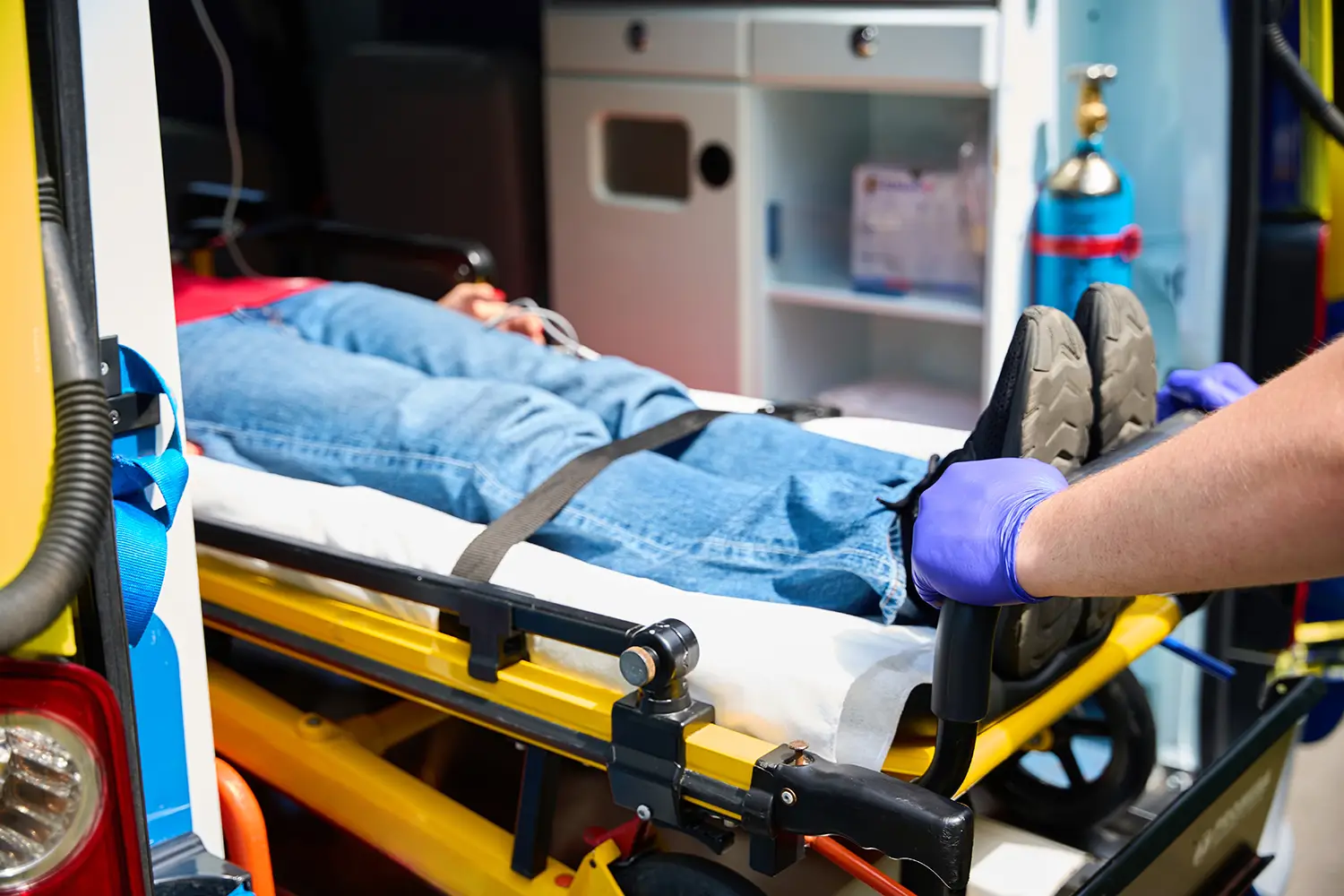
An emergency room can evaluate potentially life-threatening injuries, order advanced imaging, monitor changes in your condition, and admit you to the hospital when necessary. That matters because some dangerous crash injuries are not obvious at the scene.
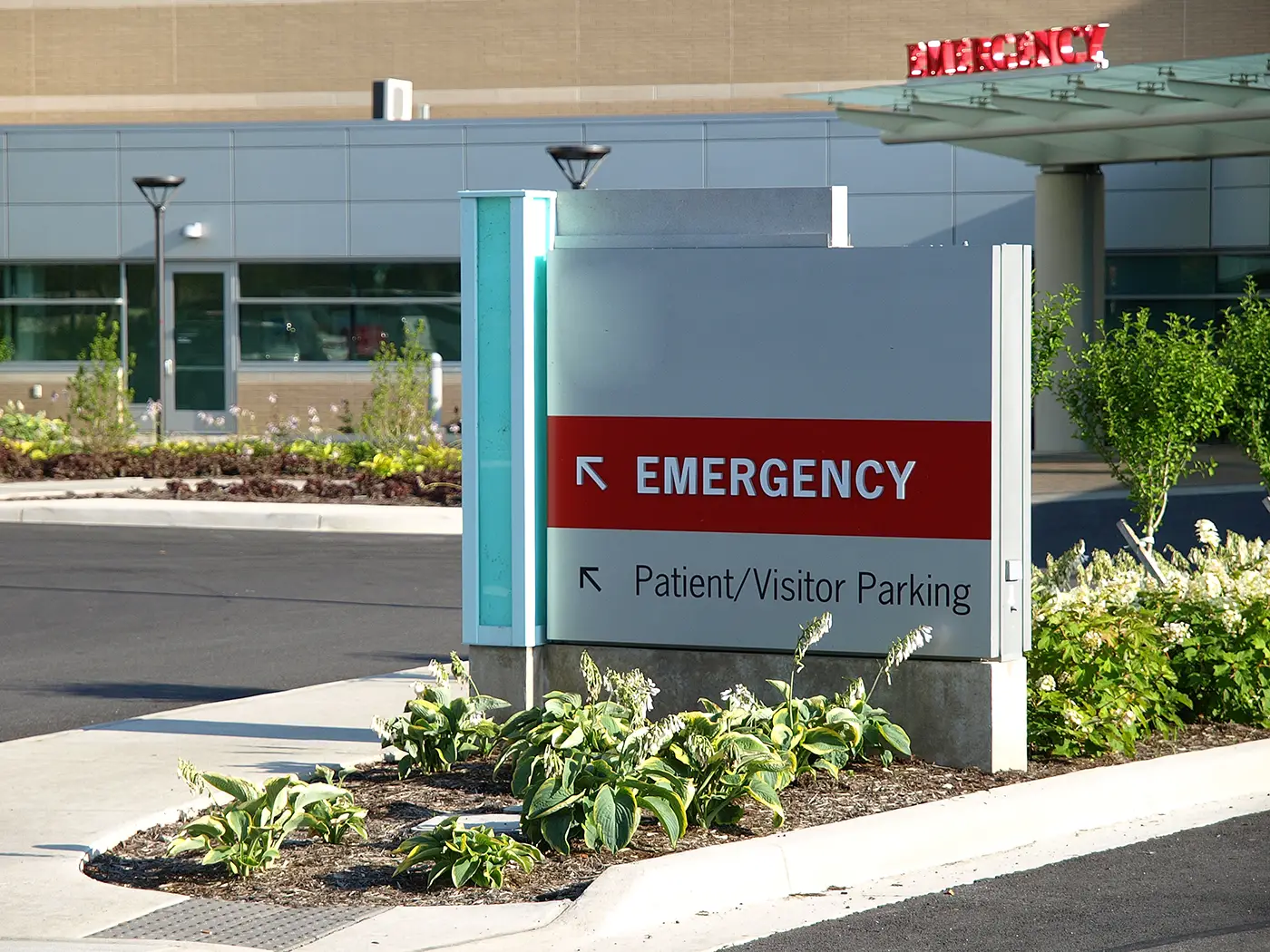
Call 911 or go to the nearest ER if you have:
- Loss of consciousness, confusion, unusual drowsiness, seizure activity, slurred speech, repeated vomiting, or a worsening headache
- Chest pain, shortness of breath, severe abdominal pain, heavy bleeding, or rapidly worsening pain
- Loss of movement, numbness, weakness, a visibly deformed limb, or severe neck or back pain
- Dizziness, fainting, pale or clammy skin, a rapid pulse, or other possible signs of shock
- Significant symptoms after a high-speed collision, rollover, pedestrian crash, motorcycle crash, or impact involving a child, older adult, pregnant person, or someone taking blood thinners
The CDC’s concussion guidance identifies worsening headache, repeated vomiting, weakness, numbness, slurred speech, unusual behavior, unequal pupils, confusion, and inability to wake as danger signs requiring emergency care. MedlinePlus also lists head or spinal injury, severe abdominal pain, breathing difficulty, uncontrolled bleeding, and sudden serious injury from a motor vehicle crash among reasons to seek emergency help.
You do not need to lose consciousness to have a concussion. You also do not need visible bruising to have an internal injury. A forceful blow to the abdomen during a crash can injure organs and cause dangerous internal bleeding.
When Urgent Care May Be Appropriate
Urgent care may be reasonable when you are alert, stable, breathing normally, and dealing with symptoms that appear mild. Examples include minor muscle soreness, a mild sprain, a small cut that may need stitches, or localized pain without neurological symptoms, severe swelling, deformity, chest pain, abdominal pain, or worsening symptoms.
Many urgent care centers can perform basic X-rays, treat minor fractures and sprains, close cuts, prescribe medication, and provide discharge instructions. Services vary by location and time of day. An X-ray technician may not always be available, and urgent care centers generally do not have the same trauma resources, advanced imaging, specialist access, or hospital admission capabilities as an ER.
If urgent care evaluates you and recommends an ER, go. That referral means the provider believes you need testing or monitoring beyond what the clinic can safely provide.
A Practical Example: “I Felt Fine at First”
Consider an illustrative example. A driver is rear-ended near 59th Avenue and Glendale Avenue. At the scene, she feels anxious but says she is fine. Three hours later, her neck tightens and a headache begins. By evening, she is nauseated and has trouble focusing.
This is no longer a simple soreness question. The headache, nausea, concentration problems, and recent crash raise concern for a possible concussion. An emergency department is the safer choice, especially if symptoms are worsening.
Now consider a low-speed parking lot collision. The driver has mild shoulder soreness, full movement, no head impact, no dizziness, no chest or abdominal symptoms, and no worsening pain. Urgent care may be appropriate for an examination and basic imaging if needed.
The decision should be based on symptoms and risk, not on whether the vehicle looks badly damaged.
Emergency Rooms in or Near Glendale, Arizona
These facilities are local options, not endorsements. In a life-threatening emergency, call 911 rather than driving yourself. Services, insurance participation, and wait times can change.
Banner Thunderbird Medical Center Emergency Room
Banner Thunderbird Medical Center Emergency Room is at 5555 W. Thunderbird Road in Glendale and is open 24 hours. Banner identifies the hospital as a Level I Adult Trauma Center and operates a dedicated pediatric emergency department. It may be an important option for serious trauma or a child who needs emergency evaluation.
Abrazo Arrowhead Campus
Abrazo Arrowhead Campus is at 18701 N. 67th Avenue in Glendale and provides emergency care 24 hours a day. Its north Glendale location may be convenient for crashes near Arrowhead, Loop 101, Bell Road, or Union Hills Drive.
Arizona General Hospital Emergency Room, Glendale-Camelback
Arizona General Hospital Emergency Room at Glendale-Camelback is at 8310 W. Camelback Road. The facility provides 24-hour emergency care and diagnostic imaging, making it a nearby option for west Glendale and the Westgate area.
Urgent Care Locations in Glendale
For stable, non-emergency symptoms, these are among the urgent care options in Glendale. Check the website or call before leaving because hours and imaging availability can change.
Banner Urgent Care, Northern Avenue and 43rd Avenue
Banner Urgent Care at Northern Avenue and 43rd Avenue is at 7952 N. 43rd Avenue. Banner lists care for minor injuries, with services that may include X-rays and treatment for sprains, strains, minor fractures, and cuts.
Banner Urgent Care, Bell Road and 43rd Avenue
Banner Urgent Care at Bell Road and 43rd Avenue is at 4232 W. Bell Road and is another option for non-emergency evaluation in north Glendale.
NextCare Urgent Care, West Northern Avenue
NextCare Urgent Care on West Northern Avenue is at 9494 W. Northern Avenue, Suite 101, near Loop 101. The location is listed as a 24-hour urgent care clinic, but patients should confirm current hours before going.
What to Tell the Medical Provider
Clearly describe the crash. Explain where your vehicle was hit, whether airbags deployed, whether your body struck anything, and whether you felt confused or saw stars. Mention every symptom, even if it seems minor.
Do not exaggerate, but do not minimize. Saying “I am okay” out of habit can produce an incomplete history. A better description is: “My pain is manageable, but it started after the crash and is getting worse.”
Before leaving, ask for written discharge instructions, work restrictions, follow-up recommendations, and symptoms that should send you to the ER. Keep copies of bills, visit summaries, imaging reports, prescriptions, and referrals. Our guide on filing an insurance claim for accident-related medical bills explains how to organize this information.
Does Going to Urgent Care Hurt a Car Accident Claim?
Not automatically. Choosing urgent care for genuinely mild symptoms can be reasonable. Choosing the ER for warning signs can also be reasonable. The legal problem more often arises when a person receives no evaluation, ignores follow-up instructions, or has a long unexplained gap in treatment while later claiming the injury was severe from the beginning.
Medical safety comes first, but documentation matters. Tell providers the injury followed a car accident, follow reasonable treatment instructions, and return for care if symptoms worsen. Because injuries can appear later, review our article on how long after a car accident injuries can appear.
For suspected concussion or other brain trauma, Perez Law Group also provides information about traumatic brain injury claims in Glendale.
When You Are Still Unsure
When the choice is close, call the facility, your primary care provider, a nurse line, or 911 and describe the symptoms. Do not drive yourself if you are dizzy, confused, faint, extremely sleepy, or unable to move normally.
At Perez Law Group, PLLC, we believe people should make medical decisions based on safety, not fear of an insurance bill. Once the immediate medical issue is addressed, our team can help you understand how medical records, insurance coverage, lost income, and future treatment may affect an Arizona car accident claim.
To discuss your options, contact Perez Law Group or call (602) 730-7100. We are located in Glendale and serve injured clients throughout the Phoenix metropolitan area and Arizona.
This article provides general information and is not medical advice. In an emergency, call 911.

Cristina Perez Hesano
Founder & Managing Partner
Cristina Perez Hesano is the founding partner of Perez Law Group, PLLC, and an accomplished Arizona trial attorney with more than a decade of experience. She represents individuals and families in serious personal injury, wrongful death, bankruptcy, and consumer protection matters. Known for her compassion, strategic approach, and dedication to justice, Cristina has successfully secured significant results while helping clients navigate some of life’s most difficult challenges.