Arizona Women Take Legal Action Against AI-Generated Sexual Content
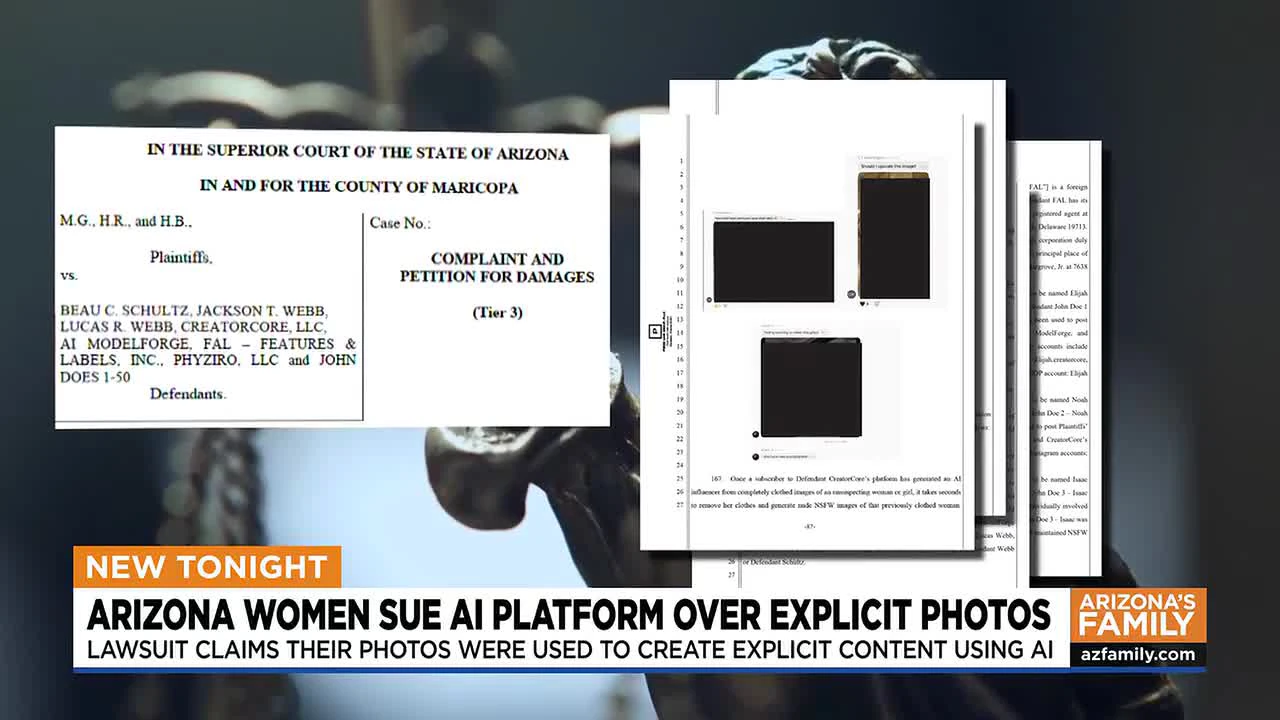
Three young women in Arizona have filed a lawsuit in Maricopa County Superior Court after discovering their real photos were allegedly taken from social media and used to create explicit AI-generated sexual content without their consent. The case, recently reported by azfamily.com, brings renewed attention to the growing dangers of nonconsensual deepfakes and the misuse of artificial intelligence.
According to the lawsuit, the defendants allegedly operated online accounts that promoted AI-generated influencers, using real women’s likenesses to create sexualized images and videos that were then shared and monetized online. The plaintiffs say the content caused severe emotional distress, reputational harm, and lasting personal consequences after being seen by friends, family, and colleagues.
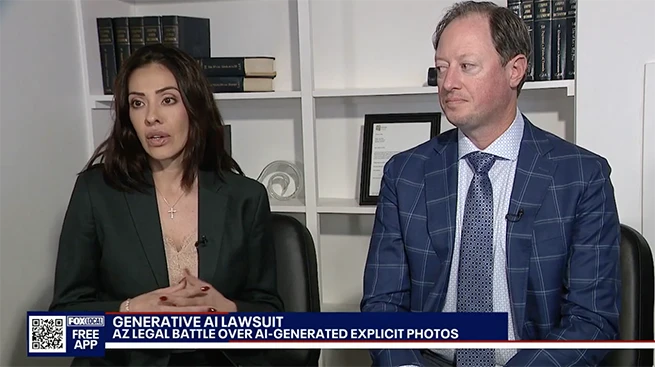
The women are represented by Nick Brand of the Donlon Group and Cristina Perez Hesano, managing partner of Perez Law Group. Their legal team is seeking accountability for what they describe as a clear violation of privacy, dignity, and personal autonomy.
This lawsuit underscores a rapidly evolving legal issue as AI technology advances faster than existing laws. Victims of nonconsensual AI-generated sexual content are increasingly turning to the courts to seek justice and push for stronger protections against digital exploitation.
To learn more about the risks of deepfake abuse and ongoing legal developments, visit azfamily.com or explore broader discussions around deepfake accountability through resources such as the Electronic Frontier Foundation at eff.org.
If you believe your image or likeness has been misused online, speaking with an experienced attorney can help you understand your rights and legal options. Perez Law Group offers confidential consultations and compassionate guidance for individuals facing complex and emerging forms of digital harm.