What Should You Do If Your Arizona Car Accident Report Contains Incorrect Information?
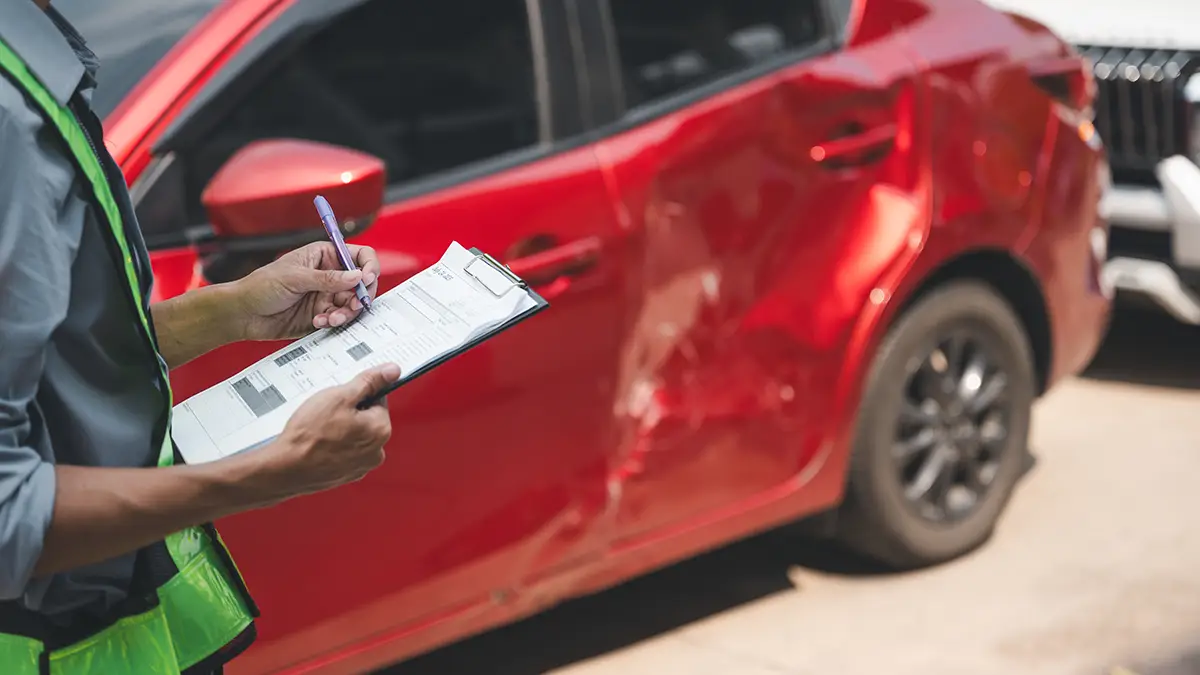
After a car accident, most people assume the police report is accurate. Unfortunately, that’s not always the case. Officers often have to document the scene quickly, and they may rely on statements from drivers, witnesses, and the evidence available at that moment. As a result, mistakes can happen.
If your Arizona accident report contains incorrect information, don’t panic. While a police report is an important piece of evidence, it is not the final word on who caused the crash. Knowing how to respond can help protect your insurance claim and your right to compensation.
If you’ve been injured, speaking with an Arizona car accident lawyer can help protect your rights before mistakes in the report affect your claim.
Why Police Reports Matter
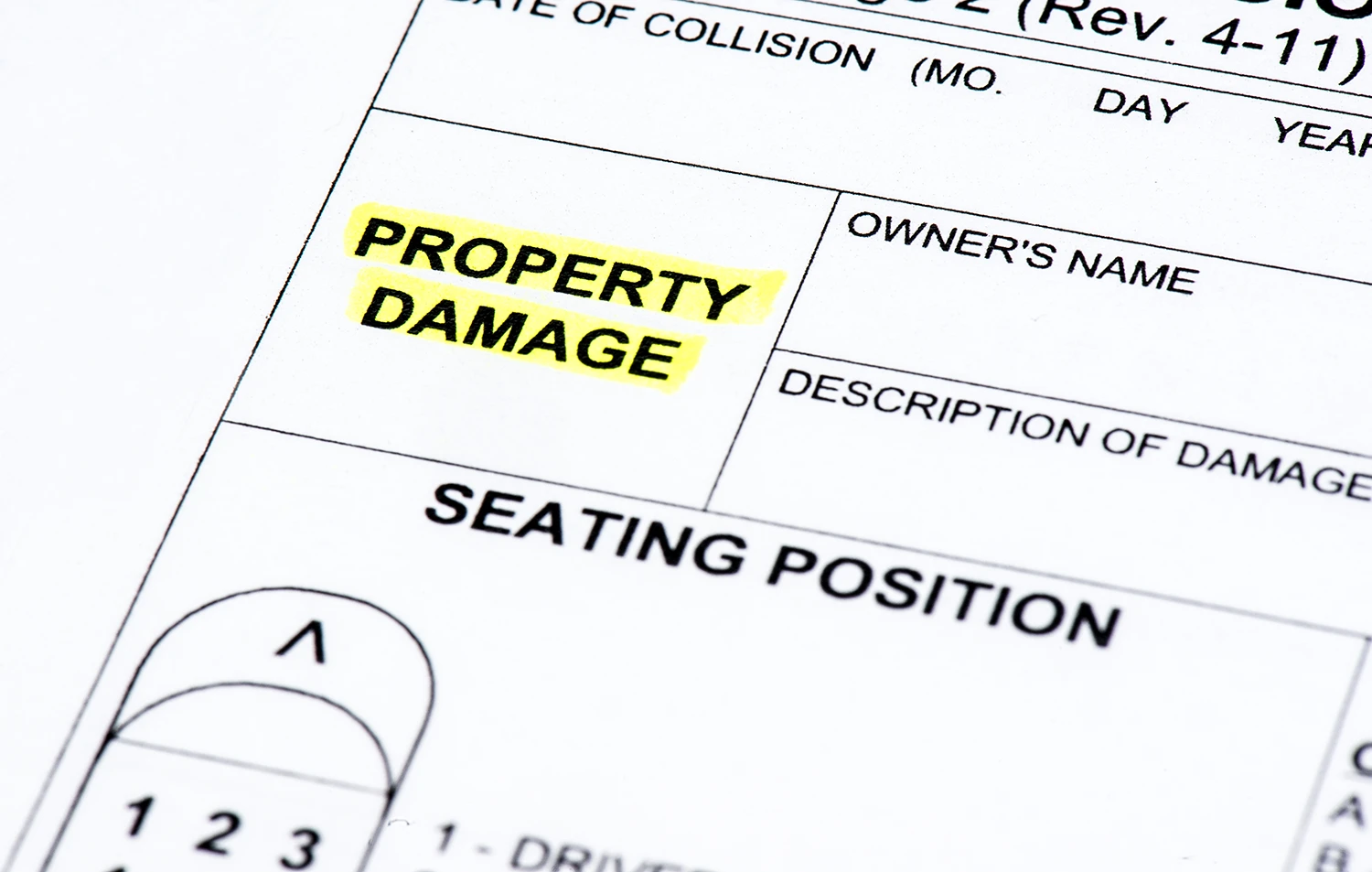
Insurance companies frequently use police reports when evaluating car accident claims. The report may include:
- The date, time, and location of the crash
- Driver and witness information
- Vehicle damage
- Road and weather conditions
- The responding officer’s observations
- A diagram of the collision
- Any citations issued
Arizona law outlines the information that investigating officers include in crash reports, making these reports an important part of the claims process.
Although insurance companies consider these reports valuable, they are not legally binding proof of fault.
Common Errors Found in Accident Reports
Some mistakes are relatively minor, while others can significantly impact your claim.
Common errors include:
- Misspelled names or incorrect contact information
- Wrong vehicle descriptions
- Incorrect insurance information
- Errors about where the damage occurred
- Incorrect date or time
- Missing witnesses
- Inaccurate diagrams
- Statements that do not accurately reflect what happened
- Incorrect conclusions regarding fault
Even a small mistake can create unnecessary challenges when dealing with the insurance company.
Can You Change a Police Report?
Yes—but it depends on the type of error.
If the report contains factual mistakes, such as your address, driver’s license number, vehicle information, or insurance details, the investigating agency may be willing to correct or supplement the report after reviewing supporting documentation. Acting quickly generally improves your chances of having errors addressed.
However, if you simply disagree with the officer’s opinion about how the crash occurred, the officer may decline to change the report.
That does not mean you’re stuck with an inaccurate version of events.
Gather Evidence That Supports Your Case
If you believe the report is wrong, begin collecting evidence immediately.
Helpful evidence includes:
- Photos of the accident scene
- Vehicle damage
- Traffic signals and road signs
- Skid marks
- Dashcam footage
- Surveillance video from nearby businesses
- Witness statements
- Medical records
- Cell phone photos or videos taken immediately after the crash
The stronger your evidence, the easier it becomes to challenge inaccurate information during the insurance claim or litigation process.
Notify Your Insurance Company
If you’ve discovered an error in the accident report, let your insurance company know as soon as possible.
Provide copies of any evidence that contradicts the incorrect information. Insurance companies conduct their own investigations and do not rely solely on the police report when determining liability.
Don’t Admit Fault
Many drivers worry that an inaccurate report automatically means they’ll be blamed for the crash.
Fortunately, that’s not how personal injury claims work.
Liability is determined using multiple sources of evidence, including:
- Police reports
- Witness testimony
- Photographs
- Expert analysis
- Medical documentation
- Video evidence
- Vehicle damage
Even if the police report contains mistakes, your attorney can present additional evidence to establish what actually happened.
How an Attorney Can Help
Correcting an inaccurate accident report can be frustrating, especially while you’re recovering from injuries.
An experienced Arizona car accident attorney can:
- Review the police report for inaccuracies
- Gather additional evidence
- Interview witnesses
- Obtain surveillance or traffic camera footage
- Work with accident reconstruction experts when necessary
- Communicate with insurance companies on your behalf
- Build a strong case if the report unfairly assigns fault
Having legal representation often prevents insurance companies from using report errors to minimize or deny your claim.
Contact Perez Law Group
If you’ve been injured in a car accident and discovered errors in your police report, don’t assume your case is over. An inaccurate report does not determine the outcome of your claim.
At Perez Law Group, we investigate every detail of your accident, gather the evidence needed to support your case, and fight to protect your right to full compensation.
Contact us today for a free consultation to discuss your Arizona car accident case.

Cristina Perez Hesano
Founder & Managing Partner
Cristina Perez Hesano is the founding partner of Perez Law Group, PLLC, and an accomplished Arizona trial attorney with more than a decade of experience. She represents individuals and families in serious personal injury, wrongful death, bankruptcy, and consumer protection matters. Known for her compassion, strategic approach, and dedication to justice, Cristina has successfully secured significant results while helping clients navigate some of life’s most difficult challenges.